
The Ultimate Guide to Defeating Type 2 Diabetes in 2026
By Rachel Simmons, Health & Wellness Writer
This article is for general education and isn’t a substitute for medical advice. Talk to your doctor before starting, stopping, or changing any medication, supplement, or exercise program.
More than 40 million Americans are living with diabetes right now, and roughly 90 percent of them have type 2 diabetes. Another 86 million adults are walking around with prediabetes, and startlingly, only about one in 13 of them even knows it. Those numbers can feel overwhelming, but here’s the part that doesn’t get said enough: type 2 diabetes is one of the most responsive chronic conditions there is.
Research out of Newcastle University has shown that a meaningful share of people who lose significant weight can put the disease into full remission, and even for those who don’t get there, every improvement in diet, movement, and medical care measurably lowers the risk of complications. This guide walks through what’s actually happening in your body, how the newest medications work, what the research says about hormones like testosterone and thyroid, and the practical, everyday choices, from your dinner plate to your beer fridge, that move the needle most. Creating a structured daily routine with the steps below is your best chance for fighting, stopping, or preventing type 2 diabetes.
What Actually Causes Type 2 Diabetes
At the center of type 2 diabetes is a problem called insulin resistance. Insulin is the hormone that acts like a key, unlocking your muscle, fat, and liver cells so glucose can move out of your bloodstream and into your cells for energy. In type 2 diabetes, those cells stop responding to the key the way they should. Your pancreas notices blood sugar creeping up and compensates by pumping out more and more insulin, sometimes for years, before it finally can’t keep pace. That’s the tipping point where blood sugar starts climbing into diabetic territory.
A few things set the stage for this. Genetics and family history play a real role, and so does age, ethnicity, and a history of gestational diabetes or PCOS. But the biggest lever, and the one you have the most control over, is body fat, particularly the fat that builds up around your organs rather than just under your skin. When you take in more calories than your body can store comfortably in fat cells, the overflow starts getting deposited in places it doesn’t belong, like your liver and pancreas. That’s not just a metaphor. It’s a measurable, well-studied process, and it’s the key to understanding both why type 2 diabetes develops and why it can, for many people, be pushed back into remission.
Belly fat deserves special attention here, because not all fat behaves the same way. The soft, pinchable fat sitting just under your skin is relatively harmless from a metabolic standpoint. Visceral fat, the kind packed deep around your abdominal organs that gives some people that firmer, rounder shape, is a different story. It sits so close to your liver, and drains so directly into it, that whatever it releases has a far shorter distance to travel before it reaches the organ that manages your blood sugar. The fatty acids and inflammatory chemicals visceral fat gives off flood the liver almost immediately, pushing it toward insulin resistance in a way that fat stored elsewhere on your body doesn’t do nearly as efficiently. That’s part of why waist size tends to predict diabetes risk better than weight alone, and it’s the direct link to the pancreas story below.
Type 1 vs. Type 2: They’re Not the Same Disease
People use “diabetes” like it’s one condition, but type 1 and type 2 are fundamentally different diseases that happen to share a name and a common endpoint of high blood sugar.
Type 1 diabetes is an autoimmune condition. For reasons researchers still don’t fully understand, the immune system turns on the beta cells in the pancreas, the ones responsible for making insulin, and destroys them. It’s usually diagnosed in children, teens, or young adults, though it can appear at any age, and once those beta cells are gone, the body makes little to no insulin at all. There’s no version of diet or exercise that reverses that. People with type 1 diabetes need insulin, delivered by injection or pump, for life.
Type 2 diabetes tells a different story. The pancreas is still making insulin, often in large amounts, but the body has become resistant to it. It develops gradually, is heavily influenced by weight, activity level, and genetics, and in its early years often causes no symptoms at all, which is part of why so many cases go undiagnosed. Over time, if it’s left unmanaged, the pancreas can wear out from overproducing insulin, and some people with type 2 diabetes eventually need insulin therapy too. That doesn’t mean the diabetes has “become” type 1. It means the underlying disease has progressed to the point where the body needs outside help to keep up.
What’s Really Happening Inside Your Pancreas
If you’ve ever heard someone describe a struggling pancreas as “clogged,” that’s not far off from what’s really happening; it’s just not a blockage in the way a clogged pipe is. What’s actually going on is fat. Roy Taylor, a professor of medicine and metabolism at Newcastle University, has spent much of his career studying what he calls the twin cycle hypothesis. The idea is that chronic, modest overeating causes fat to build up first in the liver, and eventually that excess fat gets exported into the pancreas itself. Once fat accumulates around the insulin-producing cells in the pancreas, it interferes with their ability to release insulin properly in response to a meal, and blood sugar starts climbing.
The hopeful part of this research is what happens in reverse. In the landmark Diabetes Remission Clinical Trial, known as DiRECT, researchers found that significant, sustained weight loss, on the order of around 30 pounds for many participants, could shrink the fat sitting in and around the pancreas enough to let those insulin-producing cells start working normally again. At the two-year mark, the majority of participants who had kept off more than 22 pounds were in remission, meaning their blood sugar had returned to a non-diabetic range without medication.
It’s a genuinely exciting body of research, and it’s the closest thing science has to proof that type 2 diabetes, especially when it’s caught earlier rather than later, can be pushed back through weight loss alone. Remission isn’t guaranteed for everyone, and it requires real, sustained change along with medical supervision, but it is a legitimate, evidence-backed goal for a lot of people.
Hyperglycemia and Hypoglycemia: The Two Extremes
Two terms come up constantly in any conversation about diabetes, and they describe opposite problems, both of which matter for different reasons.
Hyperglycemia means high blood sugar, generally a reading above 125 mg/dL after not eating for eight hours, or above 180 mg/dL a couple of hours after a meal. It’s the hallmark of unmanaged diabetes, and it’s what drives the long-term damage this guide keeps coming back to: the vessel damage, the nerve damage, and the added strain on the kidneys and heart. In its most extreme form, blood sugar climbing above 600 mg/dL can trigger a life-threatening emergency called hyperosmolar hyperglycemic state, which needs immediate medical care.
Hypoglycemia is the opposite problem: blood sugar dropping too low, generally defined as below 70 mg/dL for someone with diabetes. It tends to show up as a side effect of the very medications used to treat high blood sugar, particularly insulin and sulfonylureas, and it’s the mechanism behind the alcohol risk described later in this guide. Early symptoms include shakiness, sweating, a racing heart, and sudden intense hunger. If it isn’t caught and treated quickly, usually with fast-acting sugar like juice or glucose tablets, it can progress to confusion, seizures, or loss of consciousness.
Anyone on blood-sugar-lowering medication should know their own personal warning signs and keep a fast-acting sugar source within reach.
The simplest way to think about the two: hyperglycemia is the slow, cumulative damage that builds quietly over years, while hypoglycemia is the acute, immediate danger that can turn serious within minutes.
The Warning Signs Your Body Sends
A few symptoms of type 2 diabetes tend to catch people off guard, mostly because they don’t sound like they’d have anything to do with blood sugar.
Extreme hunger is one of them. It seems backwards that someone with too much sugar in their blood would feel constantly hungry, but that’s exactly the paradox of insulin resistance. Your cells can’t pull in the glucose that’s circulating, so as far as your muscles and organs are concerned, they’re starving in the middle of plenty, and your brain responds by cranking up hunger signals. Blood sugar swings, the sharp rise-and-crash pattern that comes from eating a lot of refined carbs, make this worse, often triggering intense cravings for exactly the kind of quick-digesting carbs that started the cycle.
Easy bruising and slow-healing skin are another sign that tends to surprise people. Chronically elevated blood sugar stiffens and narrows small blood vessels, which reduces circulation to the skin and makes it easier for blood vessels near the surface to rupture and pool under the skin as a bruise.
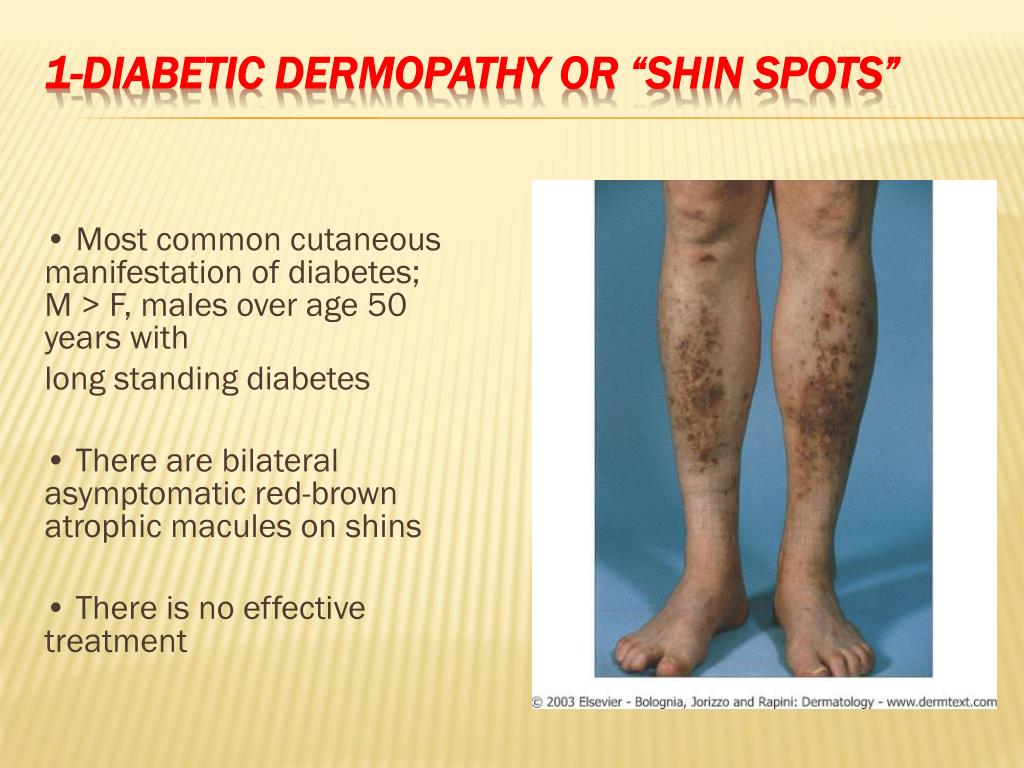
There’s also a process called glycation, where excess sugar molecules attach themselves to proteins like collagen and elastin, weakening the structures that keep skin resilient. Combine that with reduced blood flow, and you get skin that bruises more easily, heals more slowly, and is more prone to infection. This same vessel and nerve damage is why the lower legs and feet are often where the earliest visible warning signs show up.
Muscle loss is another consequence that rarely gets talked about, and it creates a genuinely vicious cycle. Insulin isn’t just about clearing sugar from your blood; it also signals your muscles to build and repair protein. When cells become resistant to insulin, that building signal weakens, while chronic inflammation and oxidative stress, both common in poorly managed diabetes, actively break muscle tissue down at the same time.
Researchers have found significant muscle loss in close to a third of people with type 2 diabetes, roughly double the rate seen in people without it. The cruel irony is that muscle is your body’s biggest consumer of blood glucose, so losing muscle mass makes blood sugar even harder to control, which is a big part of why resistance training belongs in almost every diabetes management plan, not just cardio.
Mood changes round out the list, and they’re very real. Your brain runs almost entirely on a steady supply of glucose, so when blood sugar swings between too high and too low, it can show up as irritability, anxiety, or a kind of mental fog that’s hard to describe unless you’ve felt it. The good news is that this particular symptom tends to improve, sometimes quickly, once blood sugar is brought back into a more stable range. If mood changes are severe or persistent, it’s worth bringing up with a doctor alongside your blood sugar management.
The Real Cost of Letting It Go Unmanaged
It’s worth being direct about what’s at stake here, not to scare anyone, but because understanding the stakes is exactly what makes the rest of this guide worth acting on.
Diabetes is currently the seventh leading cause of death in the United States, listed as the primary cause on roughly 95,000 death certificates a year, and named as a contributing factor on hundreds of thousands more. Most of that risk doesn’t come from diabetes itself so much as from what chronically high blood sugar does to blood vessels over years and decades. Cardiovascular disease, heart attacks and strokes, remains the single leading cause of death among people with type 2 diabetes, driven by the same vessel damage described throughout this guide.
Amputation is one of the most feared complications, and for good reason. Chronically elevated blood sugar damages both the nerves and the blood vessels in the legs and feet, which means small injuries can go unnoticed because of the nerve damage and heal poorly because of the reduced circulation. That combination is a major reason people with diabetes face a dramatically higher risk, some research puts it at roughly eight times higher, of needing a non-traumatic lower-limb amputation compared to people without diabetes. It’s also one of the clearest signs that this isn’t a disease to manage passively. Daily foot self-checks and regular podiatry visits are simple habits that catch problems while they’re still minor.
None of this is meant to scare anyone away from the more hopeful parts of this guide. It’s meant to underline them. Every section here- the medications, the food choices, the movement, the blood sugar monitoring, exists specifically to prevent this outcome, and the remission research earlier in this guide is proof that it works.
How Doctors Treat Type 2 Diabetes Today
Medication for type 2 diabetes has changed a lot in the last several years, and it’s worth understanding the major categories, even though decisions about which one is right for you belong in a conversation with your doctor.
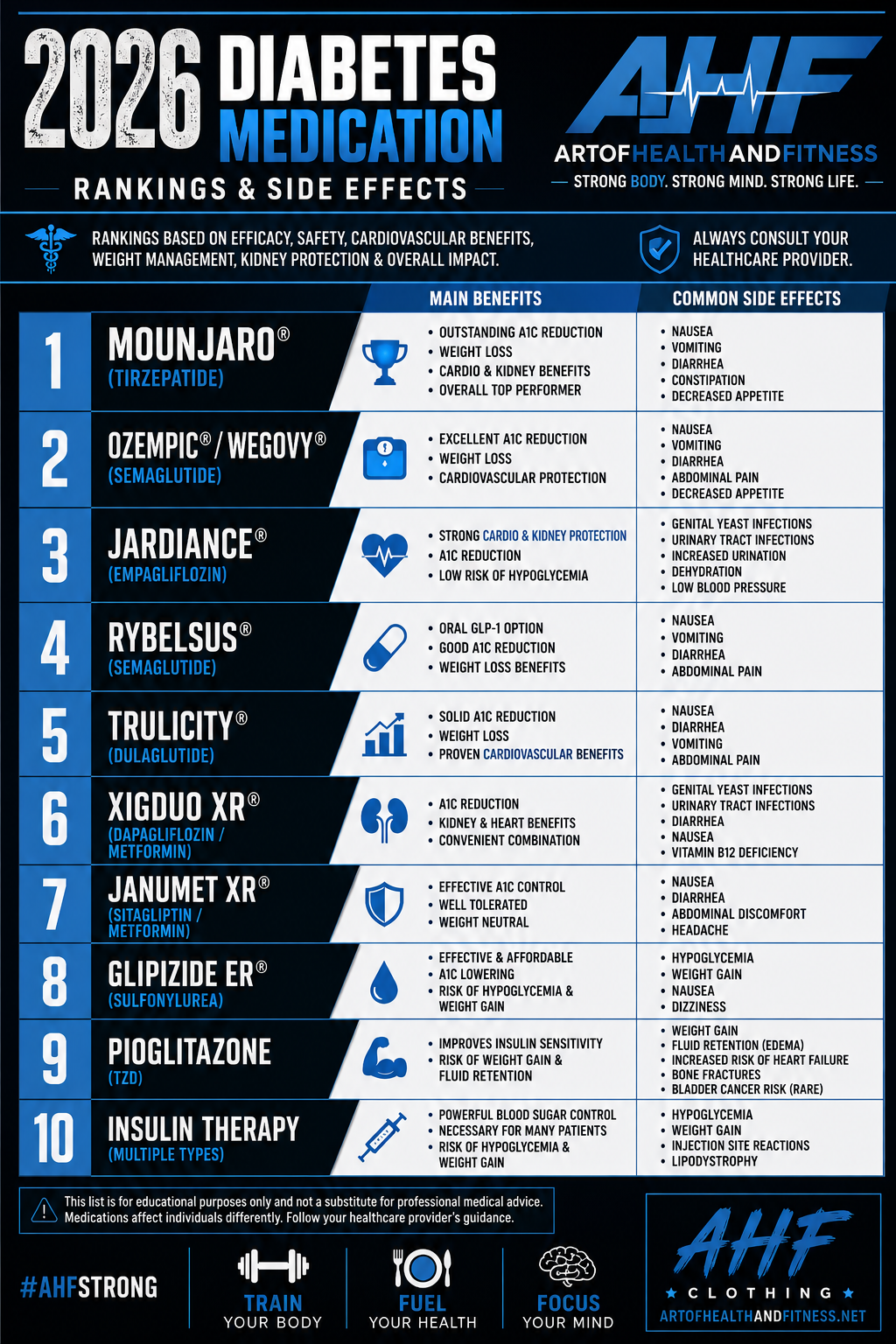
Metformin is still the standard first-line medication, and for good reason. It’s been used for decades, it’s inexpensive, and it works primarily by reducing how much glucose your liver releases into the bloodstream while modestly improving how sensitive your cells are to insulin.
GLP-1 receptor agonists, the class that includes semaglutide shots like Ozempic, Wegovy, and liraglutide (Victoza), have become some of the most talked-about diabetes medications in years, and for good reason. They work by mimicking a hormone your gut naturally releases after eating, which tells your pancreas to release insulin when blood sugar is high, tells your liver to ease up on glucose production, and slows down how fast food leaves your stomach, all of which adds up to steadier blood sugar and, for most people, significant weight loss.
Tirzepatide (Mounjaro, Zepbound) takes this a step further by also activating a second gut hormone receptor called GIP, which tends to produce even greater improvements in blood sugar and weight. These are all prescription medications, typically given as a weekly injection, and they’re not meant to replace diet and exercise so much as work alongside them.
The Rybelsus brand name, which is a pill, has been officially retired by Novo Nordisk in the United States and will be reformulated under the Ozempic brand name.
SGLT2 inhibitors, sometimes nicknamed “flozins” (empagliflozin, dapagliflozin, canagliflozin), take a completely different approach. They work in the kidneys, blocking the reabsorption of glucose so extra sugar gets flushed out in urine instead of staying in the bloodstream. Because this mechanism doesn’t depend on insulin at all, it works even in people whose insulin response is already compromised, and it comes with a genuine bonus: strong evidence that it protects the heart and kidneys, two organs diabetes puts under real strain.
Insulin therapy eventually becomes necessary for some people with type 2 diabetes, not because anything went “wrong,” but because beta cells can decline over time even with good management. Modern insulin comes in several forms, from fast-acting to long-acting, and a doctor will tailor the type and timing to the individual.
The Hormone Connection: Testosterone, Thyroid, and Blood Sugar
Blood sugar doesn’t operate in isolation. It’s tangled up with the rest of your hormone system, and two hormones in particular come up often in men’s metabolic health: testosterone and thyroid hormone.
Low testosterone and type 2 diabetes travel together more often than chance would predict. Men with low testosterone tend to carry more visceral fat and show more insulin resistance, and several clinical trials, including the UK’s Times2 study, have found that testosterone replacement therapy (TRT) can meaningfully improve insulin sensitivity and lower HbA1c in men who are both hypogonadal (clinically low testosterone) and living with type 2 diabetes. That said, the research isn’t unanimous. At least one well-controlled trial found no significant benefit to insulin resistance or blood sugar control from TRT.
The honest summary is that the evidence is promising but mixed, and TRT is a prescription treatment meant for men with a confirmed, bloodwork-diagnosed testosterone deficiency, not a general-purpose diabetes treatment to pursue on your own.
Thyroid hormone, particularly the active form called T3, plays a much more direct role in glucose metabolism than most people realize. T3 helps regulate how much glucose your liver produces and how efficiently your muscles pull glucose out of the bloodstream. Both an underactive thyroid and an overactive one can worsen insulin resistance, and hypothyroidism shows up in a meaningfully higher share of people with type 2 diabetes than in the general population. If you’ve been managing blood sugar carefully and still aren’t seeing the progress you’d expect, a thyroid panel is a reasonable thing to ask your doctor about trying T3.
Monitoring Your Blood Sugar: Devices That Give You Real Data
You can’t manage what you can’t see, and the tools for actually seeing your blood sugar have improved dramatically.
The traditional glucometer, the fingerstick test, gives you a single snapshot: your blood sugar at this exact moment. It’s useful, but it can’t show you trends or catch the highs and lows that happen between tests.
Continuous glucose monitors (CGMs), like the Dexcom G6/G7 and Abbott’s FreeStyle Libre systems, have changed that. A small sensor worn on the arm or abdomen reads glucose levels every one to five minutes and sends the data to your phone, showing not just a number but a trend line, so you can see in real time how a walk, a meal, or a stressful morning is affecting your blood sugar. Several studies have linked consistent CGM use to meaningfully lower A1C, largely because people can actually see the cause and effect of their choices instead of guessing.
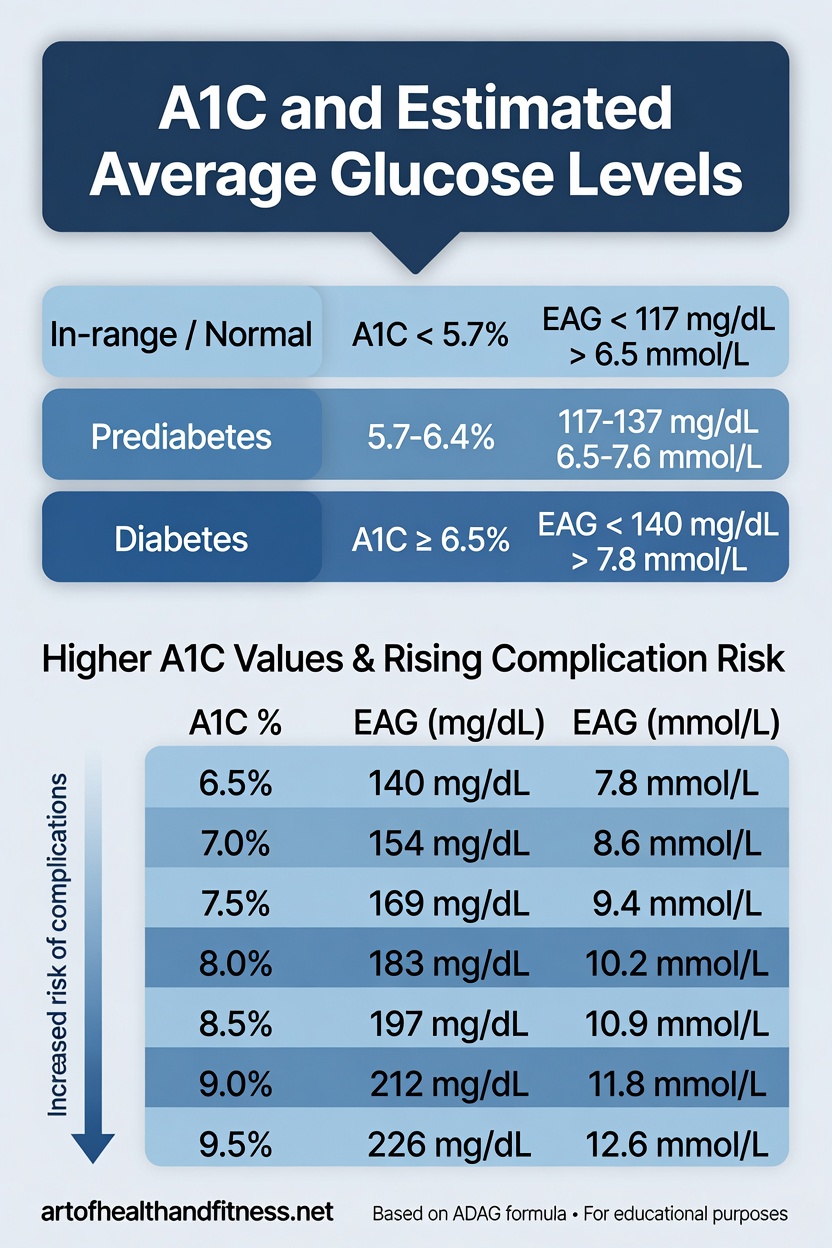
The A1C test, done through a simple blood draw at your doctor’s office, remains the gold standard for diagnosis and long-term monitoring, since it reflects your average blood sugar over the past two to three months rather than a single moment.
Food As Medicine: What to Eat and What to Avoid
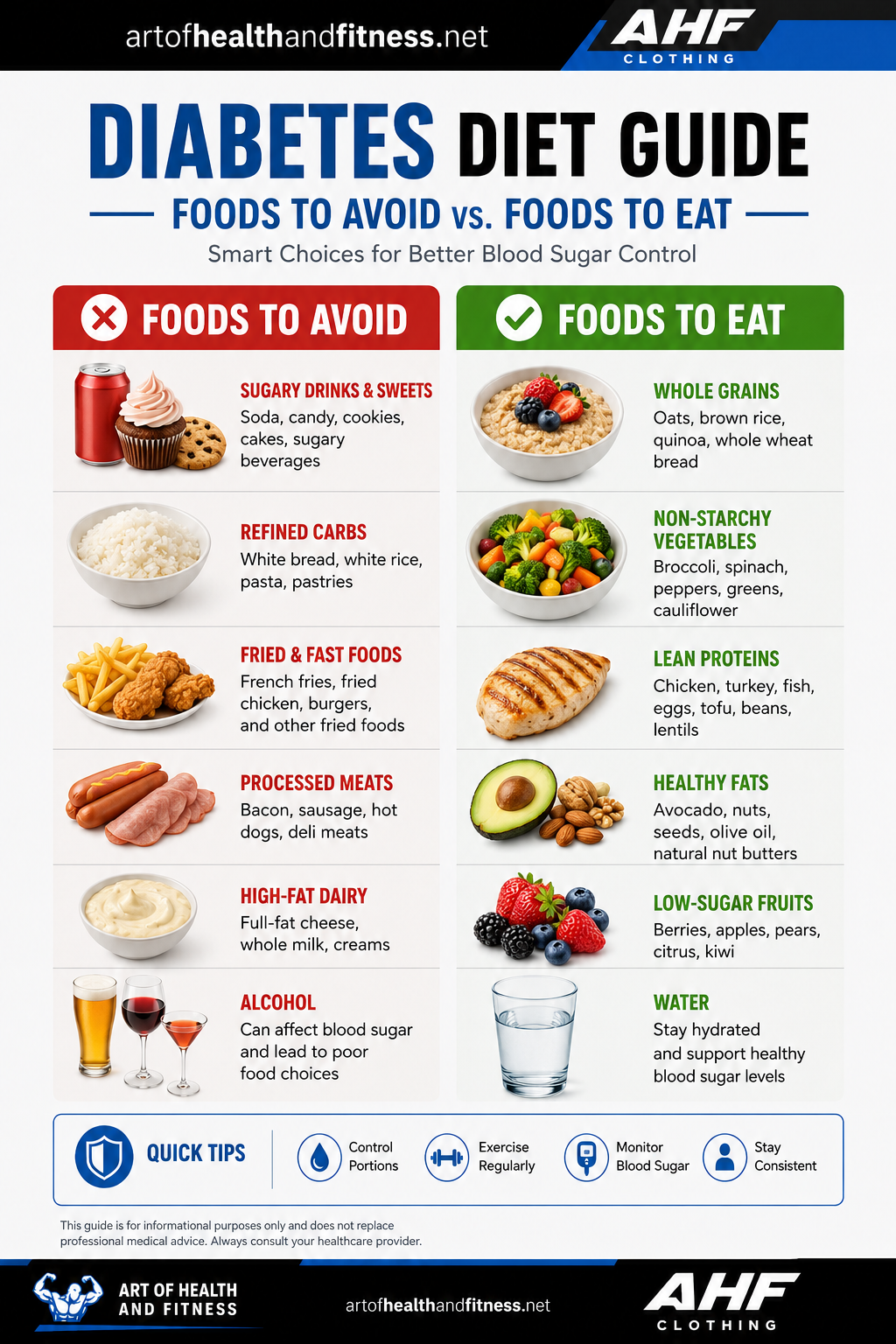
Diet is where type 2 diabetes is won or lost more than almost anywhere else, and the good news is the underlying principles are pretty simple, even if living them out takes practice. Check the photo above for some diet tips.
Foods that work against you tend to share a few traits: they’re quickly broken down into glucose, and they don’t come with enough fiber, protein, or fat to slow that process down. Sugary drinks are probably the single worst offender, since liquid sugar hits your bloodstream fast with nothing to buffer it. Refined carbohydrates, white bread, white rice, most packaged snacks and pastries, behave similarly, spiking blood sugar and insulin demand without offering much nutritional value in return.
Fried foods and anything high in trans fats add another layer of trouble by promoting inflammation and worsening insulin resistance over time. As a general rule, the more processed a food is, the more likely it is to spike your blood sugar and leave you hungry again soon after.
Foods that work for you are, almost across the board, foods that are minimally processed and come with their fiber intact. Non-starchy vegetables, leafy greens, broccoli, peppers, and the like, barely move the needle on blood sugar while delivering real nutrition. Lean protein sources like poultry, fish, eggs, and legumes slow down digestion and keep you full without spiking glucose.
Healthy fats, olive oil, avocado, nuts, and fatty fish, improve insulin sensitivity over time and support heart health, which matters enormously since cardiovascular disease risk is already elevated in people with diabetes. Fiber-rich whole grains and legumes, oats, quinoa, beans, lentils, slow digestion, blunt blood sugar spikes, and feed a healthier gut microbiome in the process. As a practical habit, try to pair any carbohydrate with a source of protein, fat, or fiber, and you’ll blunt the glucose spike that carb would otherwise cause on its own.
Why That Beer Might Be Sabotaging You
Alcohol, and beer in particular, has a more complicated relationship with blood sugar than most people assume, and it cuts in two directions at once.
In the short term, the carbohydrates in beer raise blood sugar, sometimes significantly, especially with heavier or higher-alcohol craft styles. But a few hours later, the opposite problem shows up.
Your liver’s job is to release stored glucose into your bloodstream to keep blood sugar steady between meals; however, when you drink, your liver essentially drops what it’s doing to metabolize the alcohol first, since your body treats it as a toxin that needs to be cleared. That means glucose release gets suppressed for as long as your liver is busy with the alcohol, which can cause blood sugar to drop dangerously low hours later, often overnight while you’re asleep. This is a particularly serious risk for anyone taking insulin or sulfonylureas, since the medication and the alcohol are both pushing blood sugar down at the same time.
Making it trickier still, the symptoms of low blood sugar, confusion, slurred speech, poor coordination- look a lot like the symptoms of just being drunk, which makes it easy to miss what’s actually happening.
Beyond the direct blood sugar effects, beer tends to stimulate appetite, which can lead to overeating, and it delivers a lot of calories with essentially no nutritional value, contributing to weight gain and worsening insulin resistance over time.
If you’re going to drink, doing it with food in your stomach, choosing lighter beers or dry wine over sweet mixed drinks, and checking your blood sugar before bed are all reasonable ways to reduce the risk. If you’re on any diabetes medication, it’s worth having a specific conversation with your doctor about how alcohol interacts with it.
Exercise: How Much Do You Actually Need
The standard recommendation from major health organizations is at least 150 minutes of moderate-intensity aerobic activity per week, which works out to about 30 minutes a day, five days a week, plus resistance or strength training two to three times a week. Brisk walking counts. You don’t need a gym membership or a punishing routine to get the benefit.
Exercise helps blood sugar in a way that’s almost unique among lifestyle interventions: contracting muscles can pull glucose out of the bloodstream through a pathway that doesn’t require insulin at all, which means physical activity lowers blood sugar directly, in the moment, regardless of how insulin-resistant you are.
Over time, regular activity also improves how sensitive your cells are to insulin generally. Even something as small as a ten-minute walk after a meal has been shown to meaningfully blunt the blood sugar spike that would otherwise follow. As always, check with your doctor before starting a new exercise routine, particularly if you have existing complications like nerve or eye damage.
Putting It All Together: Your Path Forward
Type 2 diabetes responds, often dramatically, to the things within your control: what you eat, how much you move, how you handle alcohol, how well you sleep, and getting the right medical support when you need it. For a lot of people, especially those who catch it earlier rather than later, real remission is a legitimate, evidence-backed goal, not just a hopeful talking point.
For everyone else, every improvement you make, every pound lost, every walk taken, every medication taken as prescribed, meaningfully lowers your risk of the complications that make diabetes dangerous in the first place. None of this replaces a relationship with a doctor who knows your specific case, but it should give you a real, practical map of where to start.
About Rachel Simmons
Rachel Simmons has been a health and wellness writer since 2002, covering the science behind everyday medical questions, from brain health to metabolic disease, in an accurate way without being overwhelming.
SHOP BRAIN & COGNITIVE SUPPLEMENTS
FIND A PERSONAL TRAINER IN YOUR AREA
VISIT THE REAL COMBAT MEDIA FIGHT STORE

Comments

No Comments Yet