Cancer Signs and Prevention: Warning Signs, Risk Factors, and Screening
By Rachel Simmons, Health & Wellness Writer
Cancer is not a single disease. It is a group of more than 100 different diseases that share one defining feature: cells that stop following the body’s rules and grow without control. That is why a conversation about cancer signs and prevention matters so much. The American Cancer Society projects roughly 2.1 million new cancer diagnoses and about 626,000 cancer deaths in the United States in 2026, which works out to around 5,800 new diagnoses every single day. At the same time, the picture is more hopeful than the headlines suggest. The U.S. cancer death rate has fallen by about 34 percent since 1991, which translates to an estimated 4.8 million deaths averted, driven largely by lower smoking rates, earlier detection, and better treatment.
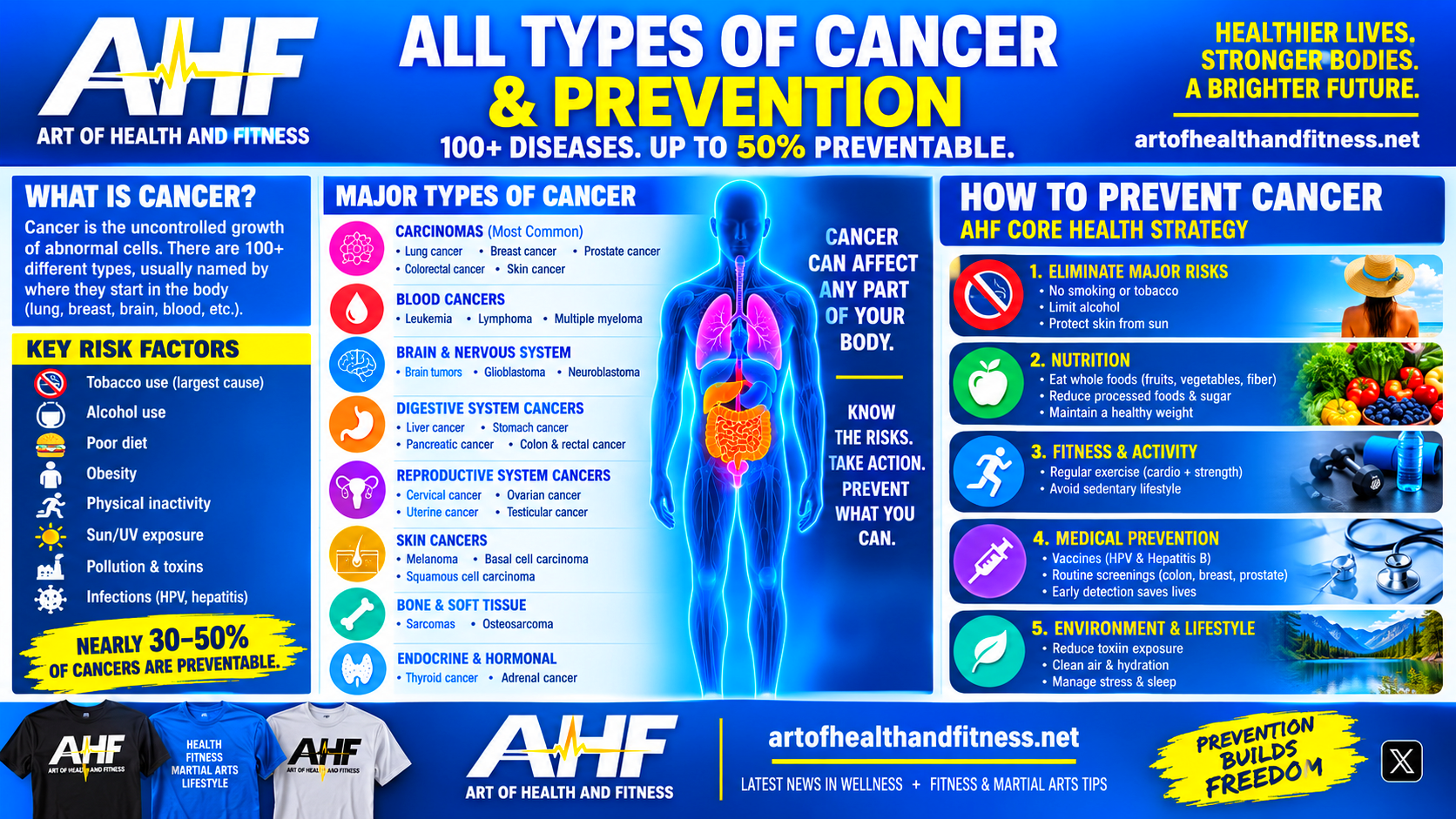
Here is the part that should motivate all of us. The American Cancer Society estimates that about 40 percent of new cancer cases and nearly half of all cancer deaths among U.S. adults age 30 and older are linked to modifiable risk factors, including tobacco use, excess body weight, alcohol, physical inactivity, poor diet, ultraviolet (UV) exposure, and preventable infections. That fits with the World Health Organization’s long-standing estimate that between 30 and 50 percent of cancers can be prevented. Prevention is not a guarantee, and plenty of people who do everything right still get cancer, but the odds move in your favor when you cut your exposure to known risks and catch problems early. This guide explains how cancer starts, the early warning signs worth acting on, the risk factors that matter most, the screening tests doctors use, and the prevention strategies with the strongest evidence behind them.
The short version: the most important warning signs of cancer are unexplained weight loss or gain of 10 pounds or more, a new lump or swelling, unusual bleeding, a sore that will not heal, a cough or hoarseness that lingers, changes in bowel or bladder habits, pain that does not go away, and extreme fatigue that does not improve with rest. Most of these have harmless explanations, but any sign that is persistent, unexplained, or getting worse deserves a call to your doctor. The most effective prevention steps are avoiding tobacco, limiting alcohol, protecting your skin from UV rays, staying physically active, maintaining a healthy weight, eating mostly whole foods, getting the HPV and hepatitis B vaccines where recommended, and keeping up with recommended screenings.
What Is Cancer? How a Normal Cell Becomes a Cancer Cell
Your body is made of trillions of cells that divide, specialize, and die on a tightly regulated schedule. Cancer begins when the genetic instructions inside a cell become damaged, a change called a mutation. Most of the time your cells catch the damage and repair it, or they trigger apoptosis, the built-in self-destruct program that removes defective cells. Cancer develops when a cell picks up the wrong combination of changes and slips past those safeguards. Two families of genes are the main players. Oncogenes work like a stuck accelerator, pushing cells to divide when they should not. Tumor suppressor genes, such as TP53, BRCA1, and BRCA2, work like brakes and repair crews, and when they are disabled the cell loses its ability to stop dividing or fix its own DNA. As the mutated cell multiplies, its descendants keep collecting new changes in a stepwise process called clonal evolution, which is one reason cancer often takes years or even decades to become detectable.
As a tumor grows, it can build its own blood supply through a process called angiogenesis, and cells can eventually break away, travel through the bloodstream or the lymphatic system, and settle in distant organs. That spread is called metastasis, and it is what makes cancer so dangerous, because a tumor confined to one spot can often be removed or treated locally, while cancer that has spread usually needs treatment throughout the body. Most of the mutations behind cancer are acquired during life from sources like tobacco smoke, UV radiation, infections, and simple copying errors when cells divide. Inherited mutations play a major role in only about 5 to 10 percent of cancers, which means that for most people, lifestyle, environmental exposures, age, and chance matter more than inherited genes. It also explains why prevention works: many of the exposures that damage DNA are exposures we can reduce.
The Major Types of Cancer
Doctors classify cancers by the type of tissue where they start. Carcinomas begin in the cells that line organs and skin and are the most common group, including lung, breast, prostate, colorectal, and skin cancers. Sarcomas arise in bone and soft tissue such as muscle, fat, and cartilage, and include osteosarcoma. Blood cancers include leukemia, which starts in blood-forming tissue such as bone marrow, lymphoma, which starts in cells of the lymphatic system, and multiple myeloma, which starts in plasma cells. Cancers of the brain and nervous system include glioblastoma and, in young children, neuroblastoma. If you want to understand why lymph nodes come up so often in cancer discussions, our guide to the lymphatic system and how to keep it healthy explains how this drainage network works and why it is one of the routes cancer can use to spread.
It also helps to think about cancers by body system, because that is how most people search for them and how screening is organized. Digestive system cancers include liver, stomach, pancreatic, and colorectal cancer. Reproductive system cancers include cervical, ovarian, uterine, and testicular cancer. Skin cancers include melanoma, the most dangerous form, along with basal cell carcinoma and squamous cell carcinoma. Endocrine and hormonal cancers include thyroid and adrenal cancer. The takeaway is that cancer can affect any part of the body, which is why knowing your risks matters as much as knowing the symptoms.
Common Signs and Symptoms of Cancer: What to Watch For
The signs and symptoms of cancer depend on where the cancer is, how large it is, and how much it affects nearby organs and tissue. A growing tumor can press on nerves or organs, bleed as it erodes surrounding tissue, block passages like the bowel or bile duct, or release substances that cause fever, fatigue, and weight loss throughout the body. That is why symptoms are often vague at first, and why some cancers, including pancreatic and ovarian cancer, can stay quiet until they are more advanced. Here is the key principle to hold onto: most signs and symptoms are not caused by cancer, but a sign that is persistent, unexplained, or getting worse should be checked, and many clinicians use a rule of thumb of two to three weeks without a clear cause before scheduling an evaluation.
Nine Common Warning Signs of Cancer
Extreme fatigue that does not improve with rest. Cancer-related fatigue is different from ordinary tiredness. It lingers despite sleep, tends to worsen over time, and can be an early sign of leukemia, lymphoma, and colorectal or stomach cancer, sometimes because slow, unnoticed blood loss leads to anemia.
Unexplained weight loss or gain. A change of 10 pounds or more with no change in diet or activity is worth a conversation with your doctor. Unintentional weight loss is most often associated with pancreatic, stomach, esophageal, and lung cancers, while unexplained weight gain or persistent bloating can accompany ovarian cancer.
Lumps or swelling anywhere in the body. A new lump in the breast, testicle, neck, armpit, or groin should always be evaluated. Lymph nodes that swell and feel tender during an infection are doing their job, but nodes that stay enlarged for weeks, feel hard, or keep growing need attention.
Pain that does not go away. Persistent back pain, bone pain, or new, severe headaches can be linked to a range of cancers, including bone, ovarian, colorectal, and brain tumors. Just as important, many early cancers cause no pain at all, so waiting for pain before getting checked is a mistake.
Skin changes or new moles. Look for sores that do not heal, new growths, and changes in an existing mole. Yellowing of the skin and eyes, known as jaundice, can signal liver, bile duct, or pancreatic problems and always needs prompt evaluation.
A persistent cough or hoarseness. A cough that lasts more than three weeks, a voice that stays hoarse, or any blood in your phlegm can point to lung, throat, or laryngeal cancer. Coughing up blood is never something to wait on.
Unusual bleeding or bruising. Blood in the stool (bright red or black and tarry), blood in the urine, vaginal bleeding after menopause or between periods, and unexplained nipple discharge all deserve a visit. Easy bruising or bleeding that seems out of proportion can also be a sign of leukemia, because low platelet counts impair clotting.
Changes in bowel or bladder habits. Constipation, diarrhea, narrower stools, or a change in how often you urinate that lasts more than a few weeks can signal colorectal, bladder, or prostate cancer. Colorectal cancer is increasingly diagnosed in adults under 50, so these symptoms should never be dismissed because of age.
Fever or night sweats. A fever with no clear infection, or drenching night sweats, can be a sign of lymphoma or leukemia. In lymphoma, doctors call the combination of fever, drenching night sweats, and unexplained weight loss B symptoms, and they use it when staging the disease.
The ABCDE Rule for Skin Changes
Skin is the one organ you can inspect yourself, and the ABCDE rule is the standard checklist dermatologists teach for spotting melanoma. A stands for asymmetry, meaning one half of the mole does not match the other. B stands for border, which may be irregular, ragged, or blurred. C stands for color, especially more than one shade of brown, black, red, white, or blue within the same mole. D stands for diameter, since many melanomas are larger than about 6 millimeters, roughly the size of a pencil eraser, though they can be smaller. E stands for evolving, which means any change in size, shape, color, or sensation such as itching or bleeding. A mole that fits any of these descriptions should be examined by a dermatologist, and a monthly skin self-check is a simple habit that can catch problems early.
Red-Flag Symptoms That Need Prompt Medical Attention
Some symptoms should not wait for a routine appointment. Call your doctor promptly if you cough up blood, notice blood in your stool or urine, find a new breast lump, have trouble swallowing that is getting worse, develop yellowing of the skin or eyes, lose weight rapidly without trying, or have a sore in your mouth or on your skin that has not healed in two to three weeks. Seek emergency care for heavy bleeding, severe pain, or sudden neurological symptoms. Remember that symptoms vary by cancer type, and the absence of symptoms does not rule out cancer, which is exactly why screening exists.
Key Cancer Risk Factors: What Raises Your Risk
Risk factors fall into two groups. Some you cannot change, including age, which is the single biggest risk factor because DNA damage accumulates over time, plus family history and inherited gene mutations such as BRCA1, BRCA2, and the mismatch repair gene changes behind Lynch syndrome. Others are modifiable, and that is where prevention has the most power. The American Cancer Society’s analysis of U.S. data found that cigarette smoking alone accounted for nearly one in five cancer cases and close to three in ten cancer deaths, followed by excess body weight (about 7.6 percent of cases), alcohol (about 5.4 percent), ultraviolet radiation (about 4.6 percent), and physical inactivity (about 3.1 percent).
The Major Modifiable Risk Factors
Tobacco use. Tobacco is the largest preventable cause of cancer. Tobacco smoke contains at least 70 chemicals known to cause cancer, and smoking is linked to at least a dozen types of cancer, including cancers of the lung, mouth, throat, esophagus, stomach, pancreas, kidney, bladder, cervix, colon, liver, and acute myeloid leukemia. Smokeless tobacco and secondhand smoke raise risk as well, and there is no safe level of exposure.
Alcohol use. The International Agency for Research on Cancer (IARC) classifies alcoholic beverages as a Group 1 carcinogen, its highest evidence category. Alcohol is linked to cancers of the mouth, throat, voice box, esophagus, liver, colon and rectum, and breast. Your body breaks alcohol down into acetaldehyde, a compound that damages DNA, and alcohol also raises estrogen levels, which helps explain the breast cancer connection. Risk rises with the amount consumed, and a 2025 U.S. Surgeon General’s advisory highlighted alcohol as one of the leading preventable causes of cancer in the country. For a closer look at how drinking affects the body and brain, see our guide to the truth about alcohol dependence.
Poor diet and processed meat. IARC classifies processed meat as a Group 1 carcinogen and red meat as Group 2A, or probably carcinogenic, and estimates that each 50 grams of processed meat eaten daily, roughly one hot dog, raises colorectal cancer risk by about 18 percent. It helps to understand what that means. IARC groups describe how strong the evidence is that something can cause cancer, not how large the risk is, so a Group 1 label on processed meat does not make it as dangerous as smoking, and an 18 percent relative increase applies to a baseline lifetime colorectal cancer risk of about 4 percent, so the absolute increase is smaller than the percentage sounds. Low intake of fiber, fruits, and vegetables, along with diets heavy in ultra-processed food and sugary drinks, also contributes to risk.
Obesity. Excess body weight is linked to at least 13 types of cancer, according to the Centers for Disease Control and Prevention, including postmenopausal breast, colorectal, endometrial, kidney, liver, pancreatic, ovarian, thyroid, gallbladder, and esophageal adenocarcinoma, as well as multiple myeloma. The proposed mechanisms include chronic low-grade inflammation, elevated insulin and insulin-like growth factor levels, and higher estrogen production in fat tissue.
Physical inactivity. A sedentary lifestyle raises cancer risk independently of weight, particularly for colon, breast, and endometrial cancers, through effects on insulin, sex hormones, inflammation, and immune function.
Sun and UV exposure. UV radiation from the sun and tanning beds is a Group 1 carcinogen that directly damages the DNA in skin cells. Skin cancer is the most commonly diagnosed cancer in the United States, and blistering sunburns, especially in childhood, raise the risk of melanoma.
Pollution and toxins. Radon, a naturally occurring radioactive gas that seeps into homes, is the second leading cause of lung cancer in the United States. Outdoor air pollution and fine particulate matter are classified as Group 1 carcinogens, and workplace exposures to asbestos, benzene, and other chemicals add to the burden.
Infections. Several infections cause cancer. HPV drives most cervical cancers and many oropharyngeal, anal, vulvar, vaginal, and penile cancers. Hepatitis B and hepatitis C are leading causes of liver cancer, and Helicobacter pylori is a major cause of stomach cancer. These are the risk factors where vaccines and treatment can make a direct difference.
How to Prevent Cancer: The AHF Core Health Strategy
None of these steps is complicated, but together they add up. Here is how the five pillars of the AHF core health strategy translate into specific, evidence-based actions you can start this week.
1. Eliminate the Major Risks: Tobacco, Alcohol, and UV Exposure
The most powerful prevention step is to avoid tobacco in every form. Quitting helps at any age, risk begins to fall within a few years, and lung cancer risk keeps dropping the longer you stay smoke-free. Counseling combined with FDA-approved cessation medication gives most people the best chance, and the national quitline at 1-800-QUIT-NOW (1-800-784-8669) connects you with free coaching. Next, limit alcohol, keeping in mind that less is better. Finally, protect your skin from the sun: use a broad-spectrum sunscreen with SPF 30 or higher, reapply about every two hours and after swimming or sweating, seek shade during peak midday hours, wear a wide-brimmed hat, protective clothing, and UV-blocking sunglasses, and skip tanning beds entirely.
2. Nutrition: Build Your Plate Around Whole Foods
A plant-forward, whole-food diet is the consistent theme in cancer prevention research. Dietary fiber from vegetables, fruits, legumes, and whole grains is associated with a lower risk of colorectal cancer, in part because fiber speeds transit through the gut and feeds beneficial bacteria that produce butyrate, a short-chain fatty acid that supports the health of the colon lining. Fruits and vegetables also supply antioxidants and other plant compounds, and the American Cancer Society recommends limiting red and processed meat, sugar-sweetened beverages, and highly processed foods. The sugar question deserves clarity. Sugar does not selectively “feed” cancer, because every cell in your body uses glucose, but diets high in added sugar and ultra-processed food drive weight gain and insulin resistance, and maintaining a healthy weight is one of the most practical prevention goals because excess body weight is a risk factor for at least 13 cancers.
A word about supplements, since this is where marketing runs ahead of the science. Whole foods have the evidence; pills mostly do not. In large trials of smokers and asbestos-exposed workers, high-dose beta-carotene supplements actually increased lung cancer risk, and the U.S. Preventive Services Task Force recommends against beta-carotene and vitamin E supplements for cancer prevention. If you take supplements for other reasons, talk to your doctor about what makes sense for you, but do not treat a capsule as a substitute for the habits in this guide.
3. Fitness and Activity: Move Every Day
Regular exercise is one of the most underrated forms of cancer prevention. Physical activity lowers the risk of colon, breast, and endometrial cancers, helps control body weight, improves insulin sensitivity, lowers inflammatory markers, and supports immune function. National guidelines call for at least 150 minutes of moderate-intensity activity such as brisk walking, or 75 minutes of vigorous activity, each week, plus muscle-strengthening work on two or more days. Just as important is cutting back on sedentary time, because long stretches of sitting carry risk even for people who exercise. The same habits that protect your heart help protect you from cancer, and you can learn more in our guide on how to prevent and treat heart disease. If you are not sure how to build a balanced routine that combines cardio and strength, a certified coach can make it much easier, and you can FIND A PERSONAL TRAINER IN YOUR AREA to get started. Wearing something that makes you want to move helps, too, so take a look at the AHF CLOTHING SITE for training apparel.
4. Medical Prevention: Vaccines, Screening, and Early Detection
Two vaccines are, in effect, cancer-prevention tools. The HPV vaccine protects against the HPV types responsible for most cervical cancers and many oropharyngeal, anal, vulvar, vaginal, and penile cancers. The American Cancer Society recommends routine vaccination between ages 9 and 12, with catch-up vaccination through age 26, and estimates that vaccinating children at those young ages could prevent more than 90 percent of HPV-caused cancers. The hepatitis B vaccine prevents chronic hepatitis B infection, a leading cause of liver cancer, and hepatitis C can now be cured with antiviral medication, which removes another major liver cancer risk. Vaccine schedules are updated periodically, so confirm current recommendations with your doctor or the CDC. The other pillar of medical prevention is screening, which can find precancerous changes such as colon polyps or cervical dysplasia, where removal stops cancer before it starts, and can detect cancer early, when treatment is most effective.
5. Environment and Lifestyle: Reduce Exposures and Protect Recovery
Test your home for radon. Inexpensive test kits are widely available, and the Environmental Protection Agency recommends fixing a home when levels reach 4 picocuries per liter or higher. Use protective equipment around asbestos, silica, benzene, and other workplace carcinogens, and pay attention to air quality alerts. Sleep and stress are less direct but still relevant. The evidence that stress itself causes cancer is limited, but chronic stress and poor sleep tend to push people toward smoking, drinking, overeating, and inactivity, and IARC classifies long-term night shift work as probably carcinogenic. Staying well hydrated is good for overall health, but the evidence tying hydration specifically to cancer prevention is thin, so think of it as a healthy habit rather than a proven shield.
Cancer Screening and Testing: How Doctors Find Cancer Early
Screening means testing people who have no symptoms in order to find cancer or precancer early, while diagnostic testing investigates a symptom or an abnormal result. The difference matters because screening recommendations are written for average-risk people and change with age, family history, and personal risk. Cancers found at a localized stage have far higher survival than cancers that have already spread, and the American Cancer Society’s 2026 report describes an overall five-year relative survival rate of about 70 percent. That improvement is the whole logic behind early detection.
Recommended Screening Tests by Cancer Type
| Cancer | Common Screening Test | General Guideline (Average Risk) |
|---|---|---|
| Breast cancer | Mammography | USPSTF: every 2 years from age 40 to 74. ACS: option to start yearly at 40, yearly from 45 to 54, then every 1 to 2 years from 55. |
| Colorectal cancer | Colonoscopy, FIT or stool DNA test, CT colonography | Start at 45. USPSTF recommends screening through age 75. Colonoscopy is typically repeated every 10 years, while stool-based tests are repeated every 1 to 3 years. |
| Cervical cancer | HPV test, Pap smear, or both | USPSTF: ages 21 to 65, with the interval depending on age and test. ACS: HPV testing every 5 years from age 25 through 65. |
| Lung cancer | Low-dose CT (LDCT) scan | Yearly for adults 50 to 80 with a 20 pack-year smoking history. USPSTF applies this to current smokers and those who quit within the past 15 years. |
| Prostate cancer | PSA blood test | An individual decision made with your doctor. USPSTF: ages 55 to 69. ACS: discuss at 50 for average risk, earlier for higher risk. |
These are general guidelines for people at average risk, and they differ slightly between organizations, so ask your doctor which schedule fits you. If you have a strong family history, a known genetic mutation, or a history of chest radiation, you may need to start earlier or add tests such as breast MRI. Colorectal cancer deserves special mention. Rates in adults under 50 have been rising, which is why screening now starts at 45, and symptoms such as rectal bleeding, a persistent change in bowel habits, or unexplained iron deficiency anemia should never be dismissed because of age. Newer options such as self-collected HPV samples are also expanding access to cervical screening, so ask your clinic what is available.
How Cancer Is Diagnosed
Screening results and symptoms are only the starting point. Diagnosis usually begins with a physical exam and medical history, followed by blood and laboratory tests (tumor markers such as PSA can raise suspicion but cannot confirm cancer), imaging such as X-ray, ultrasound, CT, MRI, and PET scans, and endoscopy to look inside the stomach, esophagus, colon, or lungs. The test that actually confirms cancer is a biopsy, in which a pathologist examines a tissue sample under a microscope to identify the cell type and the grade, which describes how abnormal the cells look. Increasingly, the sample also goes through molecular and genetic testing for biomarkers such as HER2, EGFR, BRCA, and PD-L1 that help guide treatment. Doctors then assign a stage, commonly using the TNM system, which describes tumor size (T), lymph node involvement (N), and metastasis (M) and groups them into stages I through IV. No single test diagnoses cancer on its own, so doctors combine several.
If Cancer Is Found: A Quick Look at Modern Treatment
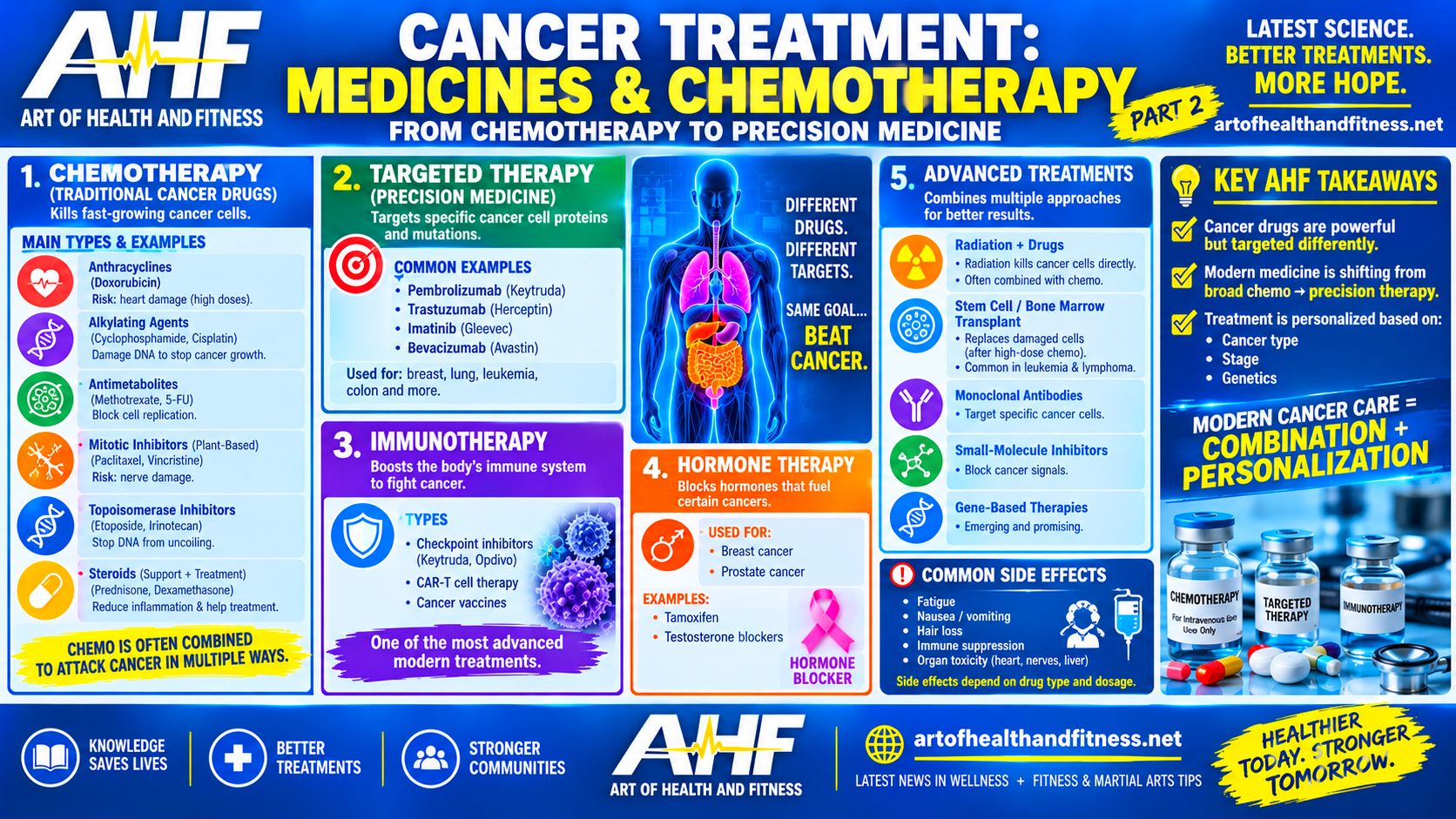
A cancer diagnosis is frightening, but treatment has changed dramatically over the past two decades. Local treatments such as surgery and radiation therapy target the tumor itself, while systemic therapies travel through the bloodstream to reach cancer cells throughout the body. Chemotherapy uses cytotoxic drugs to kill fast-dividing cells and includes several classes: anthracyclines such as doxorubicin, alkylating agents such as cyclophosphamide and cisplatin, antimetabolites such as methotrexate and 5-fluorouracil, plant-based mitotic inhibitors such as paclitaxel and vincristine, and topoisomerase inhibitors such as etoposide and irinotecan. Targeted therapy, often called precision medicine, goes after specific molecular features of cancer cells, such as trastuzumab (Herceptin) for HER2-positive breast cancer, imatinib (Gleevec) for chronic myeloid leukemia, and bevacizumab (Avastin), which blocks the blood vessel growth that tumors depend on. Immunotherapy helps the immune system recognize and attack cancer, and includes checkpoint inhibitors such as pembrolizumab (Keytruda) and nivolumab (Opdivo), CAR-T cell therapy, and cancer vaccines. Hormone therapy, such as tamoxifen for breast cancer or testosterone-lowering treatment for prostate cancer, blocks the hormones that fuel certain tumors, and stem cell or bone marrow transplantation replaces damaged blood-forming cells in some leukemias and lymphomas.
Modern cancer care is built on combination and personalization. Treatment is chosen based on the cancer type, stage, and genetics of the tumor, and many patients receive several approaches together, such as chemotherapy alongside radiation. Side effects depend on the drug and the dose and can include fatigue, nausea and vomiting, hair loss, immune suppression, and organ toxicity affecting the heart, nerves, or liver. For example, high cumulative doses of anthracyclines can damage the heart, and some mitotic inhibitors can cause nerve damage. Your oncology team has many ways to manage these effects, so tell them about every symptom you notice.
Where to Get Help: Cancer Support Resources
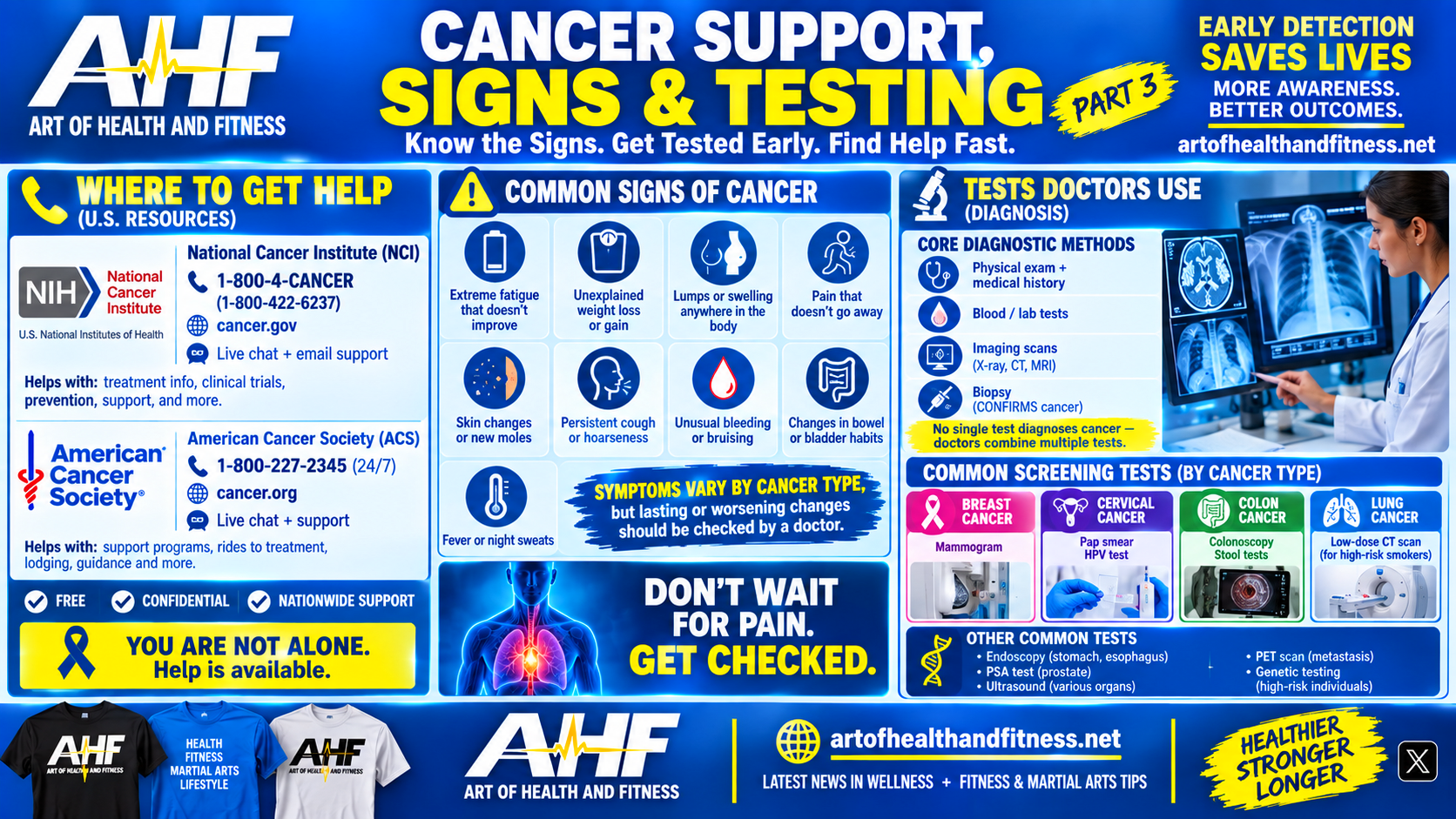
Whether you are worried about a symptom, supporting a loved one, or working through treatment, you do not have to figure it out alone. The National Cancer Institute’s Cancer Information Service can be reached at 1-800-4-CANCER (1-800-422-6237) or at cancer.gov, and it can help with treatment information, clinical trials, prevention, and support, including live chat and email. The American Cancer Society runs a free 24/7 helpline at 1-800-227-2345 and offers resources at cancer.org, including support programs, rides to treatment, lodging near treatment centers, and guidance. If you use tobacco and want to quit, the national quitline at 1-800-QUIT-NOW (1-800-784-8669) can connect you with free coaching. Help is available, and you are not alone.
Frequently Asked Questions About Cancer Signs and Prevention
What are the first signs of cancer?
Early cancer often causes no symptoms at all, which is why screening matters. When symptoms do appear, the most common early signs include unexplained weight change, persistent fatigue, a new lump, a cough or hoarseness that will not clear, unusual bleeding, changes in bowel or bladder habits, skin changes, and pain that does not go away. If any of these last more than two to three weeks without an obvious cause, schedule an appointment.
Can cancer really be prevented?
Not every cancer can be prevented, but a large share can. The American Cancer Society links about 40 percent of U.S. cancer cases to modifiable risk factors, and the World Health Organization estimates that 30 to 50 percent of cancers are preventable. Avoiding tobacco, limiting alcohol, staying active, maintaining a healthy weight, protecting your skin, getting vaccinated, and following screening guidelines all lower your risk, though none of them can reduce it to zero.
What is the biggest cause of cancer?
Tobacco use remains the largest single preventable cause, responsible for nearly one in five cancer cases and close to three in ten cancer deaths in the United States. Excess body weight, alcohol, UV exposure, and physical inactivity follow.
Does sugar feed cancer?
Sugar does not selectively feed cancer, since all of your cells use glucose for energy. The concern is indirect: diets high in added sugar and ultra-processed food promote weight gain and insulin resistance, and excess body weight is a proven risk factor for at least 13 types of cancer.
Is cancer hereditary?
Usually not. Inherited mutations play a major role in about 5 to 10 percent of cancers. Possible signs of hereditary risk include several relatives with the same or related cancers, cancer diagnosed at an unusually young age, ovarian cancer, male breast cancer, or more than one cancer in the same person. If that sounds like your family, ask your doctor about genetic counseling and testing for mutations such as BRCA1, BRCA2, and the genes behind Lynch syndrome.
How often should I get screened for cancer?
It depends on the cancer, your age, and your personal and family history. The table above summarizes general guidelines for average-risk adults, but your doctor can tailor a schedule to you, including earlier or more frequent screening if you are at higher risk.
The Bottom Line
Cancer is complex, but your game plan does not have to be. Know the risks, because tobacco, alcohol, excess weight, inactivity, UV exposure, and preventable infections drive a large share of cancers. Know the signs, and act when a change is persistent, unexplained, or getting worse instead of waiting for pain. Get screened on schedule, because finding cancer or precancer early is one of the biggest factors in outcomes. And build the daily habits that protect you: no tobacco, limited alcohol, regular movement, a whole-food diet, sun protection, vaccination, and healthy sleep. There are no guarantees, but know the risks, take action, and prevent what you can. If you or someone you love is facing a diagnosis, remember that help is available and that you do not have to go through it alone.
This article is for general information and isn’t a substitute for personalized medical advice, diagnosis, or treatment. If you notice a persistent or concerning symptom, talk to a doctor, and ask which screening tests are right for you based on your age, family history, and personal risk. Some links in this article are affiliate links, which means Art of Health and Fitness may earn a commission if you buy through them, at no extra cost to you.
Sources: American Cancer Society (Cancer Statistics, 2026; Cancer Facts & Figures 2026; Guidelines for the Early Detection of Cancer); National Cancer Institute; Centers for Disease Control and Prevention; U.S. Preventive Services Task Force; International Agency for Research on Cancer; World Health Organization; U.S. Surgeon General (2025 advisory on alcohol and cancer risk); U.S. Environmental Protection Agency; American Academy of Dermatology; and Islami et al., CA: A Cancer Journal for Clinicians (2024).
Ready to build healthier habits into your routine? SHOP BRAIN & COGNITIVE SUPPLEMENTS if you want focus and mental-clarity support while you take on a new routine, or FIND A PERSONAL TRAINER IN YOUR AREA if you’d like expert guidance building regular movement into your week. Gear up for your next workout with the AHF CLOTHING SITE, and check out the REAL COMBAT MEDIA FIGHT STORE for more training essentials. Just remember that no supplement can replace screening, a healthy lifestyle, or medical care.

Comments

No Comments Yet