
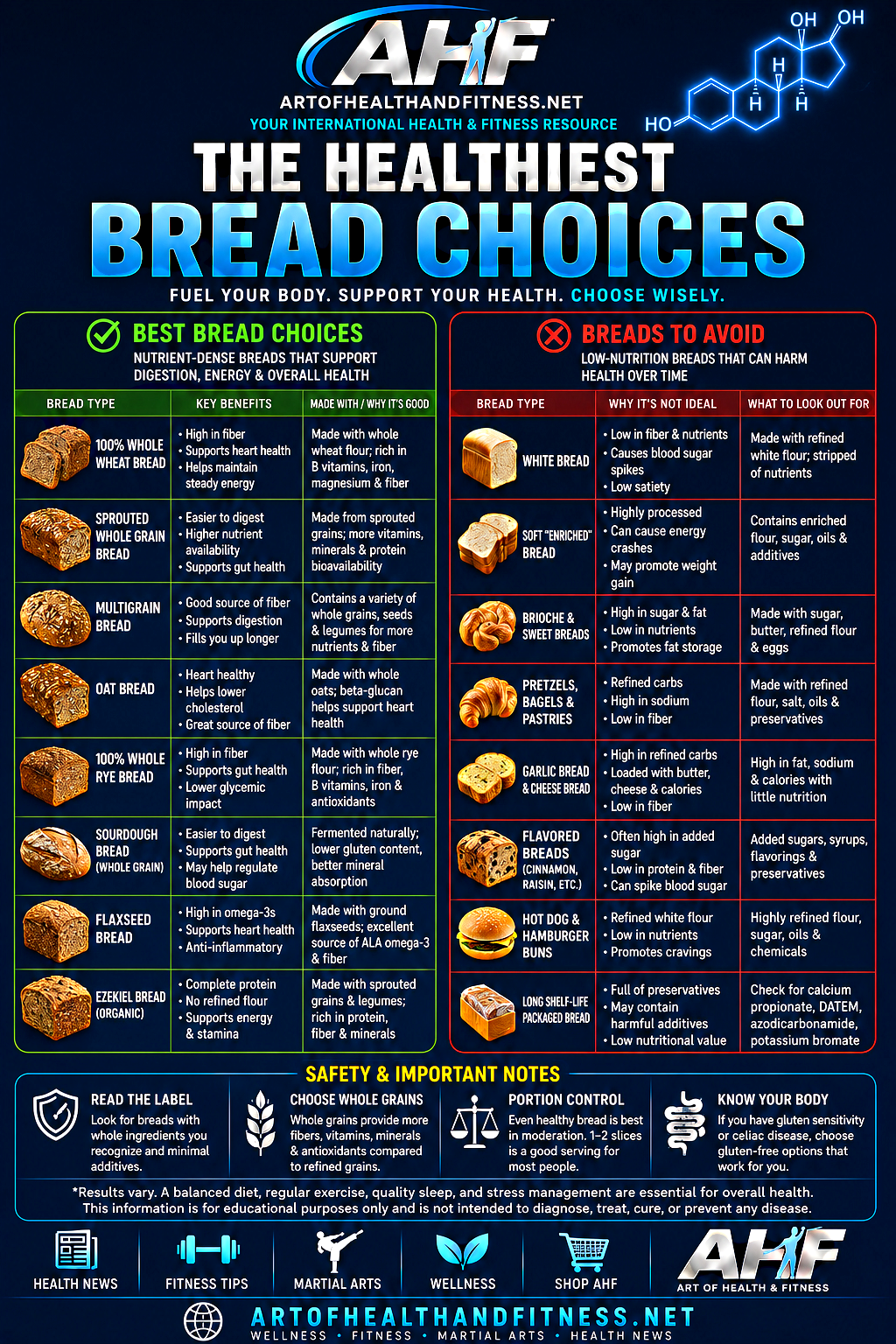
The Healthiest Bread Choices: Best Breads, Worst Breads, and How Much Is Too Much
By Derek Vance, Life Coach & Former Competitive Bodybuilder
Fuel your body, support your health, and choose wisely at the grocery store.
Few foods are as universal, as comforting, or as misunderstood as bread. It shows up at breakfast as toast, at lunch as a sandwich, at dinner as a side, and in between as a bagel, a bun, or a warm pretzel. The trouble is that two slices that look almost identical on a plate can behave completely differently inside your body. One can deliver fiber, B vitamins, iron, and steady energy that helps you train harder and think more clearly. At the same time, the other is little more than refined flour, added sugar, and a long list of additives that spike your blood sugar and leave you hungry an hour later.
The timing of this conversation is no accident. The newly released Dietary Guidelines for Americans 2025 to 2030 turned the old food pyramid upside down, recommending two to four servings of whole grains a day compared with the six to eleven servings of grains the original pyramid suggested. The guidelines also specifically call out white bread, packaged breakfast items, flour tortillas, and crackers as refined carbohydrates to cut back on. Refined grains still make up roughly 87 percent of the grains Americans eat, so there is plenty of room for improvement. In this guide, built from the AHF infographic The Healthiest Bread Choices, we break down which breads deserve a spot in your kitchen, which ones belong on the shelf, what the real health benefits and side effects look like, and the question everyone eventually asks: how much bread is too much?
Why the Type of Bread You Choose Matters
Every grain of wheat, rye, or oats has three parts: the bran, the germ, and the endosperm. The bran carries most of the fiber and antioxidants, the germ holds the B vitamins, healthy fats, and minerals such as magnesium and iron, and the endosperm is mostly starch. A true whole grain bread keeps all three parts. A refined bread is made from flour that has had the bran and germ milled away, which is what gives white bread its soft texture, its pale color, and its long shelf life. It is also what strips out most of the fiber and a large share of the nutrition.
You may have noticed the word enriched on a loaf of white bread and assumed that sounds healthy. Enrichment simply means a few of the nutrients lost during refining, such as iron, thiamin, riboflavin, niacin, and folic acid, are added back in. Fiber is not one of them, and neither are the many protective plant compounds that travel with the whole grain. That difference matters because fiber slows digestion, softens the blood sugar curve after a meal, feeds the beneficial bacteria in your gut, and helps you feel full for longer. Large research reviews have linked higher whole grain intake with a lower risk of heart disease, type 2 diabetes, and early death, while diets heavy in refined grains tend to point the other way. Those findings come from observational studies, so they show a strong association rather than a guarantee, but the pattern has been consistent enough that it now shapes national dietary advice.
The Best Bread Choices
These eight breads earn their place because they are built on whole grains, seeds, or legumes, and they bring real nutrition to the table instead of just calories. As you read, keep one rule in mind: the name on the front of the bag is marketing, but the ingredient list on the back is the truth.
100% Whole Wheat Bread
This is the everyday workhorse of healthy bread, and for most families it is the easiest upgrade from white. When a loaf is made with 100% whole wheat flour, a typical slice delivers a few grams of fiber along with B vitamins, iron, magnesium, and manganese, and it digests more slowly than white bread, which helps keep your energy steady through a busy morning or a long training session. The key is the word 100%. A loaf labeled simply as wheat bread is often mostly refined flour with a little whole wheat and some caramel color added to make it look brown.
Sprouted Whole Grain Bread
Sprouted bread is made from grains that have just begun to germinate before they are ground or mashed into dough. That sprouting process activates natural enzymes that start breaking down some of the starch and reduce phytic acid, a compound that can make it harder for your body to absorb minerals such as iron and zinc. The result is a bread that many people find easier to digest, with nutrients that may be more available to your body and a slightly gentler effect on blood sugar. Sprouted wheat bread is still a gluten-containing food, so it is a smart upgrade for most people but not a safe choice for anyone with celiac disease.
Multigrain Bread
Multigrain bread can be a terrific choice, but it comes with a warning label of its own. The term only means that more than one type of grain was used, and those grains can all be refined. The best versions of multigrain bread are also labeled 100% whole grain and are packed with seeds and legumes such as flax, sunflower, and oats, which add fiber, protein, and healthy fats and help you feel satisfied after a meal. If the first ingredient is enriched wheat flour, you are looking at white bread in a costume.
Oat Bread
Oats are famous for beta-glucan, a soluble fiber that forms a gel in your digestive tract and helps lower LDL cholesterol, the so-called bad cholesterol that contributes to heart disease. Research on cholesterol lowering has generally used about three grams of oat beta-glucan per day, and a single slice of oat bread will not reach that on its own, so think of it as a helpful supporting player alongside oatmeal rather than a cure-all. Read the label carefully, because some commercial oat breads contain only a sprinkle of oats on top of mostly refined flour.
100% Rye Bread
Dense, dark, and satisfying, true whole rye bread is one of the most underrated options in the bakery aisle. It is rich in fiber, B vitamins, iron, and antioxidants, and studies comparing rye to refined wheat bread have found a lower insulin response and better feelings of fullness afterward. That makes it a favorite for people who want to manage hunger and steady blood sugar. Rye does contain gluten, so it is not a gluten-free alternative, and the lighter, fluffy rye sold in many supermarkets is often mostly wheat flour with a little rye for flavor, so look for the words whole rye on the ingredient list.
Whole Grain Sourdough
Traditional sourdough is fermented slowly with a live starter of wild yeast and lactic acid bacteria, and that long fermentation does something interesting. It lowers the phytic acid content so minerals are easier to absorb, partially breaks down some of the carbohydrates that bother sensitive stomachs, and tends to produce a smaller blood sugar rise than bread made with fast-acting commercial yeast. Many people with a sensitive gut find it easier to tolerate. One important point is that sourdough is not gluten-free, and while fermentation partially breaks down gluten, it does not make the bread safe for anyone with celiac disease. Also be careful with grocery store loaves labeled sourdough that are really white bread with flavoring added, and look for whole grain flour, water, salt, and a starter as the main ingredients.
Flaxseed Bread
Ground flaxseed brings a plant-based omega-3 fat called ALA, along with fiber and lignans, plant compounds with antioxidant activity. Together they support heart health and may help calm inflammation in the body. Ground flax is absorbed much better than whole flaxseeds, which can pass through you largely intact, so check that the bread uses milled flax. Your body converts ALA into the longer-chain omega-3s found in fish only at a low rate, so flaxseed bread is a nice bonus for your omega-3 intake but not a replacement for fatty fish or an algae-based omega-3 supplement.
Ezekiel Bread
Ezekiel bread is made from a blend of sprouted whole grains and legumes, typically wheat, barley, millet, and spelt along with soybeans and lentils, with no added flour and very little or no added sugar. Because grains and legumes combine to supply all of the essential amino acids, it offers a more complete protein profile than most breads, and it delivers several grams of protein and fiber per slice, which makes it a popular choice for athletes and active people who want lasting energy and stamina. Because it contains no artificial preservatives, it is usually sold in the freezer or refrigerated section, so store it cold and toast it straight from the freezer. It contains wheat and barley, so it is not for anyone avoiding gluten.
The Worst Breads to Avoid
None of the breads in this section are poison, and a slice here and there will not undo a healthy lifestyle. The problem is how easy they are to overeat and how often they sit at the center of an everyday routine. They tend to be made from refined flour, loaded with added sugar, sodium, or fat, and low in fiber, which means they digest quickly, spike blood sugar, and leave you hungry again soon after. Think of these as occasional foods rather than daily staples.
White Bread
White bread is made from refined flour that has lost most of its bran and germ, so it is low in fiber and nutrients and has a high glycemic index, meaning it raises blood sugar quickly. That fast rise is often followed by a crash, which is why a plain white sandwich can leave you hungry again so soon. Because it lacks fiber and protein, it does little to keep you full.
Soft Enriched Bread
The pillowy, squishy sandwich loaf in the center aisle is one of the most highly processed breads on the market. It is made with enriched flour, added sugar, oils, and dough conditioners that keep it soft for days. The nutrients added back through enrichment do not make up for the missing fiber, and the combination of fast digestion and added sugar can lead to energy crashes and make overeating easy.
Brioche and Sweet Breads
Brioche is delicious because it is made with generous amounts of butter, eggs, sugar, and refined flour. That also makes it calorie-dense and high in sugar and saturated fat while remaining low in fiber. A brioche bun or a slice of sweet bread is closer to a dessert than a nutritious side, and it is easy to eat more of it than you realize. Enjoy it as a treat, but do not let it become a lunchtime routine.
Pretzels, Bagels, and Pastries
These are refined carbohydrates in concentrated form. A large bakery bagel can easily equal the grain servings of three to four slices of bread, and a soft pretzel can carry several hundred milligrams of sodium or even more than a thousand in the larger sizes. Croissants and other pastries add plenty of butter and refined flour on top. They offer very little fiber, which makes them quick to digest and not very filling for the calories they carry.
Garlic Bread and Cheese Bread
Garlic bread feels like a harmless side dish, but it is typically made from white bread or a white baguette that is brushed with butter or oil, and cheese bread adds even more fat and sodium. A few pieces can easily add several hundred calories to a meal with almost no fiber and little nutrition in return, so it is best saved for the occasional dinner out.
Flavored Breads: Cinnamon, Raisin, and More
Cinnamon raisin and other flavored breads sound wholesome, but they frequently contain added sugar, syrups, and flavorings, and many are made with refined flour and offer very little protein or fiber. The sugar can spike your blood sugar quickly, and this is a common trap for people who think they are making a healthy breakfast choice. If you love the taste, look for a whole grain version with minimal added sugar and top it with nut butter to slow digestion.
Hot Dog and Hamburger Buns
These buns are usually made from highly refined flour with added sugar, oils, and chemical dough conditioners, and they bring little in the way of nutrients. They can also make it easy to overeat, because soft refined bread paired with a salty, savory filling is a combination that keeps you reaching for more. If you grill often, a whole grain bun, a lettuce wrap, or simply half a bun can keep the meal on track.
Long Shelf-Life Packaged Bread
If a loaf stays soft and mold-free for a week or more on the counter, that is a clue that it is heavily processed. These loaves rely on preservatives and dough conditioners to stay fresh, and they are typically low in nutritional value. The ingredient list often includes things you would never use in a home kitchen, and that is where a label check pays off.
Additives to Watch For on the Label
The AHF infographic highlights a handful of ingredients worth knowing by name. Calcium propionate is a preservative that prevents mold. Regulators consider it safe at the levels used, though some smaller studies have raised questions about its effect on blood sugar and insulin signaling, so the main takeaway is that it flags a loaf built for long shelf life. DATEM is an emulsifier and dough conditioner that gives bread a soft, uniform texture. It is permitted, and research on emulsifiers and gut health is still developing, mostly in animal studies, but it is a common marker of an ultra-processed loaf.
The two that deserve the most attention are azodicarbonamide and potassium bromate. Azodicarbonamide is a dough conditioner that is not allowed in the European Union, and many U.S. brands have quietly removed it after public pressure. Potassium bromate is used to strengthen dough and make bread rise higher and whiter. The International Agency for Research on Cancer classifies it as a possible human carcinogen; it is banned in the European Union, Canada, and Brazil, and California has passed a law that will ban it from food sold in the state beginning in 2027. The FDA still permits it in the United States on the basis that it breaks down during baking, but the debate is active enough that Florida’s attorney general announced an investigation into its use in bread in July 2026. You do not need to panic over a single slice, but if you eat bread every day, choosing loaves without these ingredients is one of the easiest ways to lower your exposure.
The Health Benefits of Choosing the Right Bread
When you pick a quality whole grain, sprouted, rye, oat, or sourdough loaf, the benefits show up in several places. Your digestive system gets the fiber it needs to keep things moving and to feed the beneficial bacteria in your gut. Your heart gets help from soluble fibers such as oat beta-glucan and from plant compounds in whole grains and seeds. Your blood sugar stays steadier, which means fewer energy slumps and fewer cravings in the middle of the afternoon. And because fiber-rich bread is more filling, it can make it easier to manage your appetite and your weight without feeling like you are constantly fighting hunger.
For active people, there is another upside. Carbohydrates are the primary fuel for hard training, whether you are lifting, running, sparring, or working through a bootcamp class. A slice or two of whole grain bread with eggs, nut butter, or lean protein before a workout supplies slow-burning energy, and the same combination afterward helps replenish your glycogen stores while the protein supports muscle repair. There is even a place for a quick-digesting white bread or bagel right before an especially intense session when you need fast fuel and have no time to digest fiber, but that is a performance tool, not an everyday habit.
Possible Side Effects and Who Should Be Careful
Even the healthiest bread has a downside when the choice or the amount is wrong. Refined breads can cause rapid blood sugar spikes followed by crashes, and if that pattern repeats day after day, it can contribute to weight gain and make blood sugar harder to manage over time. Sodium is another hidden issue.
A slice of bread can carry anywhere from about 100 to 200 milligrams, so a sandwich with two slices, a salty filling, and a side of chips can eat up a large chunk of the roughly 2,300 milligrams most guidelines set as the daily ceiling. Bread can also quietly crowd out the vegetables, fruit, and protein that your body needs more of.
Digestion is a personal matter, too. Wheat and rye contain fructans, a type of fermentable carbohydrate that can cause gas and bloating in people with irritable bowel syndrome, and if you suddenly jump from white bread to very high-fiber loaves without drinking enough water, you may get cramping, gas, or constipation. Increase fiber gradually and drink plenty of fluids.
For some people, the issue is gluten. Roughly one in a hundred people has celiac disease, and others experience non-celiac gluten sensitivity or a true wheat allergy. Wheat, rye, barley, sourdough made from those grains, sprouted wheat bread, and Ezekiel bread all contain gluten, so anyone with these conditions should choose certified gluten-free options and read those labels carefully as well, since many gluten-free breads are low in fiber and high in starch.
People managing diabetes or prediabetes, kidney disease, or high blood pressure should talk with their doctor or a registered dietitian about the right bread and portion size for them. Carbohydrate counts, potassium and phosphorus levels, and sodium all matter, and the best choice varies from person to person.
How Much Bread Is Too Much?
The AHF infographic suggests that one to two slices per sitting is a good serving for most people, and that guidance lines up neatly with the new national recommendations. The Dietary Guidelines for Americans 2025 to 2030 call for roughly two to four servings of whole grains a day, and one slice of whole wheat bread counts as one serving. For many adults, that means about two to four slices of quality whole grain bread a day if bread is one of your main grain sources, with the rest of your carbohydrates coming from foods such as oatmeal, brown rice, quinoa, fruit, and vegetables.
Your own number depends on your calorie needs, body size, and activity level. A martial artist, a bootcamp regular, or an endurance athlete who burns a lot of calories can reasonably sit at the higher end of that range, or a bit above it on heavy training days, while someone with a desk job who is trying to lose weight may do better at the lower end. Slice size matters just as much as slice count, because a thick bakery slice or a large sandwich roll can be the equivalent of two or even three standard slices. As for refined breads such as white bread, bagels, brioche, and buns, there is no health reason to eat them daily, so the practical answer is to keep them to an occasional treat, ideally a few times a month rather than a few times a week.
How do you know if you are overdoing it? Watch for constant hunger shortly after eating, afternoon energy crashes, bloating, slow weight creep, and meals where bread is the star while protein and vegetables are an afterthought. A few simple habits help. Pair bread with protein and healthy fat such as eggs, avocado, nut butter, or lean turkey to slow digestion. Go open-faced and use one slice instead of two. Fill the rest of your plate with vegetables. And remember that the new guidelines also emphasize getting enough protein at every meal, so let bread support your plate instead of taking it over.
How to Read a Bread Label in 60 Seconds
- Check the first ingredient. It should say 100% whole wheat, whole grain, whole rye, or whole oats. Be skeptical of wheat flour, unbleached enriched flour, multigrain, or made with whole grains.
- Look for fiber. Aim for at least three grams of fiber per slice.
- Watch added sugar. Ideally, keep it at about two grams or less per slice, and notice sugar hiding as honey, molasses, cane sugar, or syrup.
- Check the sodium. Aim for roughly 150 to 200 milligrams or less per slice.
- Scan for the red flags. A short ingredient list is a good sign, and loaves with calcium propionate, DATEM, azodicarbonamide, or potassium bromate are worth leaving on the shelf.
Keep Building a Healthier, Fitter, Fresher You
Choosing better bread is a small change that pays off every single day, but it works best as one piece of a bigger picture that includes regular exercise, quality sleep, and stress management. If you want help turning nutrition knowledge into real results, a qualified personal trainer can build a plan around your goals, your schedule, and your body. And since looking and feeling your best is part of staying motivated, we like to think about health the way AHF always has: keep you healthy, fit, clean, and fresh all year long.
That philosophy runs from what is on your plate to what you wear for your next boxing, self-defense, fitness, or MMA training session, which is why the AHF clothing line on Creator Spring offers T-shirts and hoodies built for the gym and the mat. To finish a hard workout feeling clean and fresh, body washes, colognes, and perfumes from Perfume Outlet and Fragrance Spice are an easy post-training upgrade.
Ready to take the next step? SHOP BRAIN & COGNITIVE SUPPLEMENTS to support your focus and mental sharpness, FIND A PERSONAL TRAINER IN YOUR AREA to turn good nutrition into lasting results, visit the AHF CLOTHING SITE to gear up for your next session, and head to the REAL COMBAT MEDIA FIGHT STORE for combat sports gear.
Results vary. A balanced diet, regular exercise, quality sleep, and stress management are essential for overall health. This information is for educational purposes only and is not intended to diagnose, treat, cure, or prevent any disease. Talk with your doctor or a registered dietitian before making major changes to your diet, especially if you have a medical condition.
This post contains affiliate links. Art of Health & Fitness may earn a commission at no extra cost to you.
About Derek Vance:
Derek spent over a decade in competitive bodybuilding before becoming a life coach, where he helps clients build discipline and mental focus alongside physical strength. He writes about nutrition, supplements, and performance for Art of Health & Fitness.

Comments

No Comments Yet