
By Derek Vance, Life Coach & Former Competitive Bodybuilder
Fuel your body, protect your health, and eat the rainbow, one piece of fruit at a time.
Fruit may be the easiest upgrade you can make to your diet, and it may also be one of the most misunderstood. Some people avoid it because they have heard it is full of sugar, while others assume all fruit is basically the same. In reality, the fruits on your counter are very different from one another. Some are loaded with vitamin C and antioxidants, some are rich in fiber that keeps you full and your digestion on track, and some are especially useful for training, recovery, and long-term heart and brain health. Choosing well can make a real difference in how you feel and perform.
This ranking is built from the AHF infographic Best Fruits for Your Health & Performance. We weighed nutrient density, fiber, antioxidant content, and the benefits that matter most to active people, including energy, muscle recovery, and endurance, along with longevity and weight control. Rankings like this are always partly a judgment call, and the truth is that every fruit on this list is a good choice. The best fruit for you is the one you will actually eat regularly, ideally in a wide variety of colors. For context, the newly released Dietary Guidelines for Americans 2025 to 2030 recommend about two servings of fruit per day for a 2,000-calorie eating pattern, emphasize whole fruit over juice, and make a clear distinction between the natural sugars in whole fruit and the added sugars in processed foods.
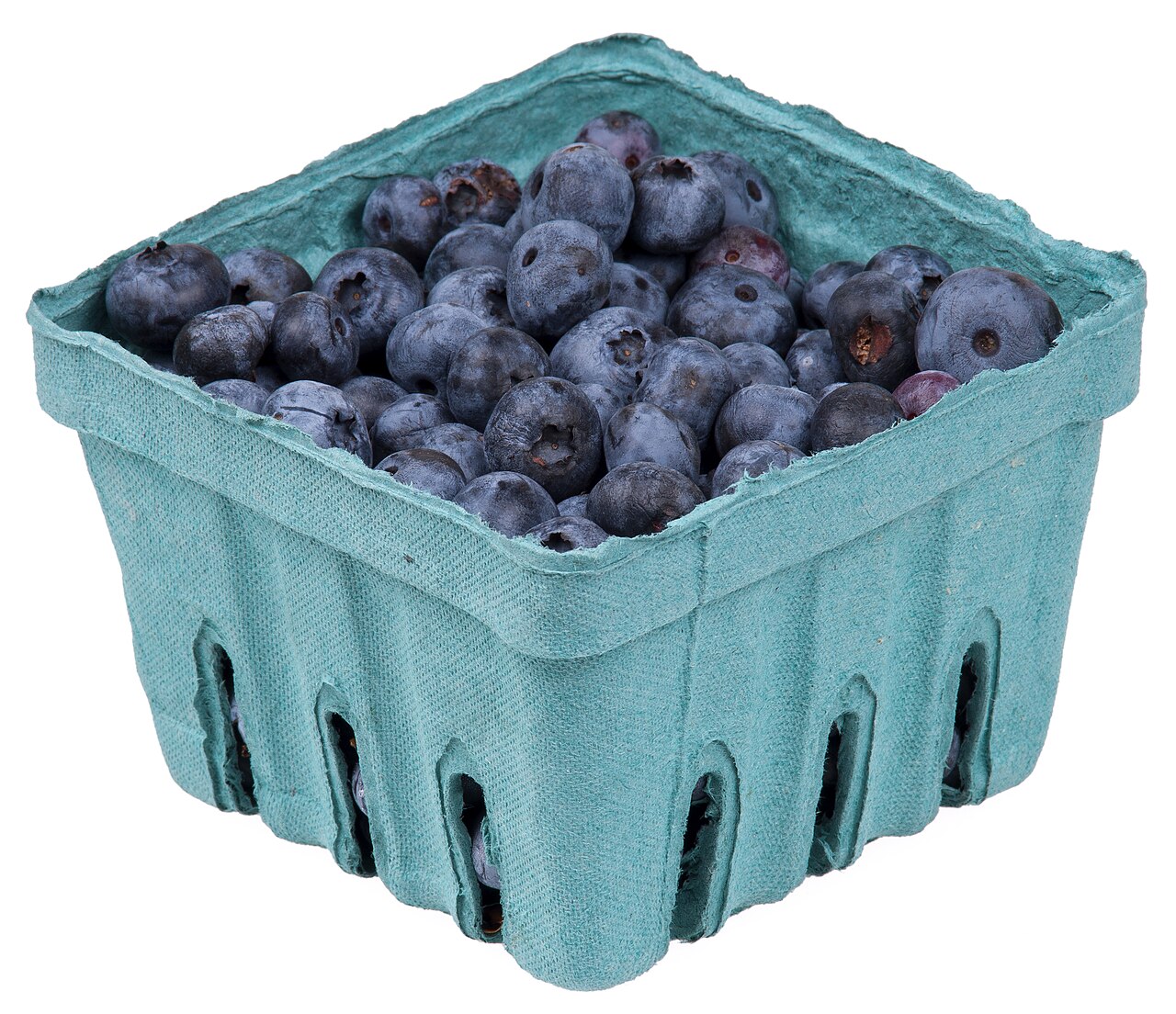
The Top 15 Fruits at a Glance
Serving sizes vary by fruit, so the table below lists a typical serving for each one. Numbers are approximate, based on USDA data, and will vary with the size and ripeness of the fruit.
| Rank | Fruit | Typical Serving | Calories | Fiber |
|---|---|---|---|---|
| 1 | Blueberries | 1 cup | 84 | 3.6 g |
| 2 | Strawberries | 1 cup, halved | 49 | 3.0 g |
| 3 | Kiwi | 1 medium | 42 | 2.1 g |
| 4 | Oranges | 1 medium | 62 | 3.1 g |
| 5 | Bananas | 1 medium | 105 | 3.1 g |
| 6 | Apples | 1 medium | 95 | 4.4 g |
| 7 | Grapes | 1 cup | 104 | 1.4 g |
| 8 | Pineapple | 1 cup, chunks | 82 | 2.3 g |
| 9 | Mango | 1 cup, pieces | 99 | 2.6 g |
| 10 | Watermelon | 1 cup, diced | 46 | 0.6 g |
| 11 | Papaya | 1 cup, cubes | 62 | 2.5 g |
| 12 | Cherries | 1 cup, sweet | 87 | 2.9 g |
| 13 | Pomegranate | 1/2 cup, arils | 72 | 3.5 g |
| 14 | Cantaloupe | 1 cup, cubes | 60 | 1.4 g |
| 15 | Avocado | 1/2 medium (about 100 g) | 160 | 6.7 g |
The Best Fruits for Your Health and Performance, Ranked
1. Blueberries
Blueberries earn the number one spot because they pack more health-supporting compounds into a small, low-calorie package than almost any other fruit. A one cup serving has about 84 calories and 3.6 grams of fiber, along with vitamin C, vitamin K, and manganese. The real stars are anthocyanins, the pigments that give blueberries their deep blue color and that act as antioxidants in the body. Research, much of it from small trials, links regular blueberry intake with better memory and focus, healthier blood pressure, and less exercise-related oxidative stress, which is why they are a favorite for brain health and recovery. Frozen blueberries are picked at peak ripeness and are just as nutritious, so they are an easy year-round choice for smoothies and oatmeal.
2. Strawberries

A cup of halved strawberries delivers only about 49 calories and 3 grams of fiber, yet it supplies roughly a full day’s worth of vitamin C, along with folate, manganese, and antioxidants such as anthocyanins and ellagic acid. Vitamin C is needed to build collagen, which supports your skin, tendons, and joints, so it matters for anyone who trains hard and puts stress on their connective tissue. Research links regular strawberry intake with better heart health and lower markers of inflammation, though the effects are modest and work best as part of an overall healthy diet. Strawberries often show up near the top of produce lists for pesticide residue, so rinse them well or choose organic when it fits your budget.
3. Kiwi
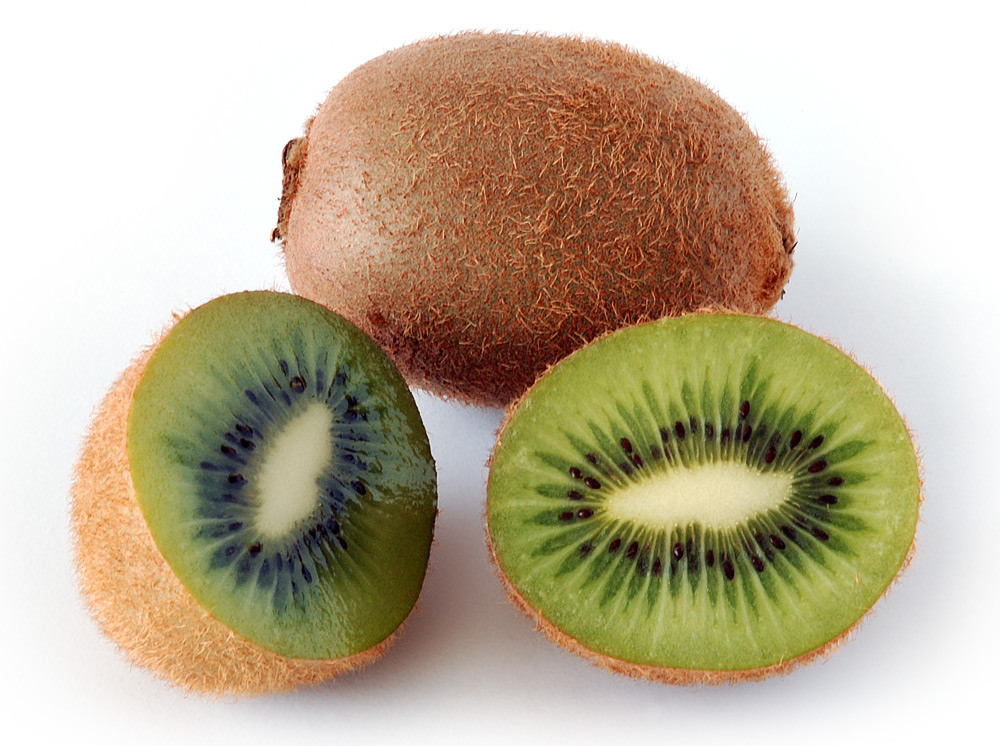
Do not let the small size fool you. A single medium kiwi has around 40 calories, about 2 grams of fiber, and about 65 milligrams of vitamin C, which is roughly 70 percent of the daily value, plus vitamin K, vitamin E, potassium, and folate. Kiwi is also one of the better researched fruits for digestion. It contains an enzyme called actinidin that helps break down protein, and clinical studies have found that eating a couple of kiwis a day can help relieve occasional constipation. The skin is edible and adds extra fiber if you wash it well, though many people prefer to scoop the flesh with a spoon. One caution is that kiwi is a fairly common food allergen and can cause an itchy mouth or throat in some people, especially those with latex or pollen allergies.
4. Oranges
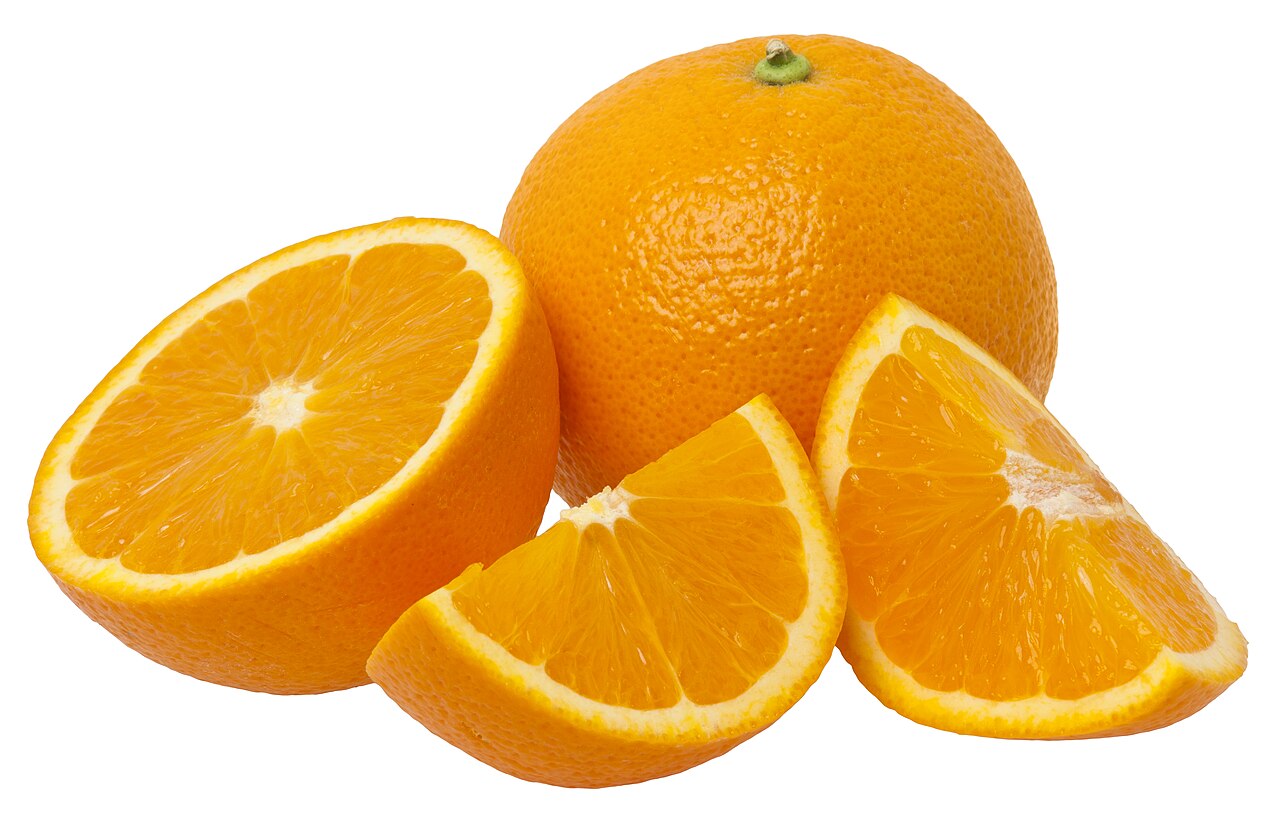
A medium orange has about 62 calories, 3.1 grams of fiber, and roughly 70 milligrams of vitamin C, plus folate, potassium, and flavonoids such as hesperidin. Vitamin C supports collagen production and immune function, and while it will not prevent a cold in most people, it may modestly shorten how long one lasts. The whole fruit is what matters here. An orange comes with its fiber and takes time to eat, while a glass of juice can squeeze the sugar of several oranges into a few swallows and leaves most of the fiber behind, which is why whole fruit beats juice almost every time.
5. Bananas
The banana is the classic pre-workout fruit for good reason. A medium banana provides about 105 calories, roughly 27 grams of easily digested carbohydrate, 3.1 grams of fiber, about 420 milligrams of potassium, and around a quarter of your daily vitamin B6. That combination makes it a fast, portable source of fuel, and potassium plays a role in muscle contraction, nerve signaling, and healthy blood pressure. Despite the folklore, bananas are not a proven cure for muscle cramps, which have many causes, but they are a smart way to replace some of the potassium you lose when you sweat. Greener bananas contain more resistant starch and digest more slowly, while ripe, spotted ones are sweeter and faster. People with advanced kidney disease, or who take medications that raise potassium, should ask their doctor before eating them in large amounts.
6. Apples
With about 95 calories and 4.4 grams of fiber in a medium apple, apples are one of the most fiber-rich fruits on this list, and much of that is pectin, a soluble fiber that helps lower cholesterol and slows the absorption of sugar. The skin holds a large share of the fiber and a flavonoid called quercetin, so wash it and eat it. Apples are also very filling for their calories, which makes them a go-to for weight management. In large population studies, people who regularly eat apples tend to have better heart health and a lower risk of type 2 diabetes, though those studies show an association rather than proof of cause and effect.
7. Grapes
A cup of grapes has about 104 calories and only about 1 to 1.5 grams of fiber, so they sit lower on the list than most of the fruits ahead of them. Their strengths are polyphenols, including resveratrol in red and purple skins, and the fact that they make a convenient, hydrating snack. Research on resveratrol often uses doses far above what you get from eating grapes, so keep your expectations realistic. The bigger practical issue is portion size. Grapes are so easy to eat by the handful that a cup can disappear without you noticing, so measure out a serving and consider freezing them for a refreshing treat.
8. Pineapple
A cup of pineapple chunks has about 82 calories, 2.3 grams of fiber, close to a full day’s vitamin C, and a large share of the daily manganese your body uses for bone health and energy metabolism. Pineapple also contains bromelain, an enzyme that breaks down protein and has been studied for swelling and soreness. Most of that research uses concentrated supplements, and fresh fruit contains much less, so enjoy pineapple for its nutrition and taste rather than expecting it to cure bloating. Its acidity can irritate the mouth or aggravate acid reflux in some people, and anyone with a pineapple allergy, or who takes blood thinners, should be careful with bromelain supplements.
9. Mango
Mango is sweet, tropical, and surprisingly nutritious. A cup of mango pieces has about 99 calories and 2.6 grams of fiber, roughly two thirds of the day’s vitamin C, plus vitamin A from beta-carotene, folate, and vitamin E. Vitamin A and carotenoids support eye health and skin, while vitamin C supports immune function. A cup of mango also has more than 20 grams of natural sugar, so it is worth watching portions if you are managing blood sugar, but eaten whole with its fiber it fits well in a healthy diet. If you are sensitive to poison ivy, handle the skin carefully, since it contains related compounds that can trigger a rash in some people.
10. Watermelon
Watermelon is about 92 percent water, which makes it one of the best fruits for hydration on a hot day, and a cup of diced watermelon has just 46 calories. It is one of the richest everyday sources of lycopene, the red pigment linked to heart health, and it contains citrulline, an amino acid that has been studied for exercise recovery. Small studies suggest that watermelon or watermelon juice may reduce muscle soreness for some athletes, though the evidence is not yet strong. Watermelon has little fiber, only about half a gram per cup, so pair it with protein such as cottage cheese or a handful of nuts if you want it to keep you full.
11. Papaya
A cup of papaya cubes has about 62 calories, 2.5 grams of fiber, and nearly a full day’s vitamin C, along with vitamin A, folate, and potassium. It also contains papain, an enzyme that helps break down protein, which is why papaya has long been eaten to ease digestion. It is gentle on the stomach, and its fiber helps keep you regular. One safety note is that unripe or semi-ripe papaya should be avoided during pregnancy because the latex it contains may trigger contractions, and people with a latex allergy may react to papaya as well.
12. Cherries
Cherries are among the best fruits for athletes who want to recover faster. A cup of sweet cherries has about 87 calories and roughly 3 grams of fiber, plus vitamin C, potassium, and anthocyanins. Most of the research on muscle soreness and sleep comes from tart cherries, in particular Montmorency cherry juice, where small studies have found less soreness after hard training and modest improvements in sleep, likely because of their antioxidants and natural melatonin. Sweet cherries share many of the same compounds, though usually in lower amounts. Eating very large amounts can cause stomach upset because of their sorbitol content, and remember to spit out the pits.
13. Pomegranate
The edible seeds, called arils, are the star here. A half cup has about 72 calories and 3.5 grams of fiber, plus vitamin C, vitamin K, and potent polyphenols such as punicalagins. Studies of pomegranate juice and extract suggest small improvements in blood pressure and markers of inflammation, though most trials are short and small. Eating the whole arils gives you the fiber that juice lacks. If you take prescription medications, especially for blood pressure or blood thinning, ask your pharmacist about pomegranate juice, since it may interact with some drugs.
14. Cantaloupe
Cantaloupe is about 90 percent water, and a cup of cubes has only about 60 calories and 1.4 grams of fiber, with a strong dose of vitamin A from beta-carotene, plus vitamin C and potassium. It supports hydration, eye health, and immune function, and it makes an easy, sweet snack. One food safety tip is that the rough rind can harbor bacteria such as Salmonella and Listeria, so scrub the outside under running water before you cut it, and refrigerate cut melon promptly.
15. Avocado
Yes, the avocado is a fruit, and it is the one that behaves least like the others. Half a medium avocado, about 100 grams, has roughly 160 calories, nearly 7 grams of fiber, and around 15 grams of fat, most of it heart-healthy monounsaturated fat, plus potassium, vitamin K, vitamin E, and folate. That fat helps your body absorb fat-soluble vitamins and carotenoids from other foods, so adding avocado to a salad can make the whole meal more nutritious, and it is very filling. Because it is calorie-dense, portion size matters, and a whole avocado can run 250 to 320 calories. People taking warfarin should keep their vitamin K intake consistent rather than suddenly adding large amounts, and some people with a latex allergy react to avocado.
How Much Fruit Should You Eat?
The Dietary Guidelines for Americans 2025 to 2030 recommend about two servings of fruit per day for a 2,000-calorie pattern, and a serving counts as roughly one cup of fresh, frozen, or canned fruit, or half a cup of dried fruit. The AHF infographic suggests aiming for two to four servings per day, which is a reasonable range for active people who burn more calories and benefit from the extra carbohydrates, fiber, and micronutrients. If you are not eating that much now, do not try to change everything overnight. Start by adding one extra serving a day, such as berries on your breakfast or an apple with your afternoon snack.
The guidelines also make clear that the natural sugar in whole fruit is not the same as the added sugar in soda, candy, and baked goods. Whole fruit comes packaged with fiber, water, and plant compounds that slow digestion and make it hard to overeat. For most healthy people, eating a few servings of whole fruit a day is not a problem. Where people run into trouble is with fruit juice, smoothies loaded with several servings at once, and dried fruit, which is concentrated in sugar and calories and easy to overeat. Fresh, frozen, and canned fruit packed in water or its own juice all count, as long as you skip the heavy syrup.
Possible Side Effects and Who Should Be Careful
For most people, the biggest “side effect” of fruit is simply eating too little of it, but there are a few situations where it pays to be thoughtful. If you suddenly increase your fiber intake, you may get gas, bloating, or cramping, so add fruit gradually and drink plenty of water. Some fruits, including apples, cherries, mango, and watermelon, are high in fermentable carbohydrates called FODMAPs that can trigger symptoms in people with irritable bowel syndrome or fructose malabsorption. If you notice a pattern, a registered dietitian can help you sort out which fruits and portion sizes work for you.
People managing diabetes or prediabetes can and should eat fruit, but portion size and pairing matter, so it helps to choose higher-fiber fruits like berries, apples, and pears, and to eat fruit alongside protein or healthy fat. Anyone with kidney disease should check with their doctor about potassium-rich fruits such as bananas, oranges, cantaloupe, and avocado. Allergies are another consideration. Kiwi, banana, avocado, and papaya are all linked to latex-fruit syndrome in people with a latex allergy, and raw fruit can cause an itchy mouth in people with pollen allergies. Finally, acidic fruits such as oranges and pineapple can wear on tooth enamel over time, so enjoy them with meals and rinse your mouth with water afterward. If you take prescription medicine, ask your pharmacist about fruit interactions. Grapefruit, which is not on this list, is the famous one, but pomegranate juice and vitamin K-rich fruits can matter for some medications as well.
Fruit for Performance: What to Eat and When
Fruit is one of the most useful tools you have for fueling training and recovery. About 30 to 60 minutes before a workout, a banana, an apple, or a handful of grapes provides easy carbohydrates that will not sit heavy in your stomach. During longer sessions, bananas and dried fruit are easy to carry. After training, pair fruit with protein to help your body refuel and repair. Berries and Greek yogurt, a pineapple and cottage cheese bowl, or a smoothie with cherries, banana, and a scoop of protein powder all work well. For muscle soreness, tart cherries and watermelon have some research support, and for hot-weather hydration, watermelon and cantaloupe are hard to beat.
How to Get the Most From Your Fruit
- Eat a variety every day. Different colors mean different nutrients and antioxidants, so mix berries, citrus, tropical fruit, and melons throughout the week.
- Aim for two to four servings a day. Start where you are and build from there.
- Choose whole fruit over juice. You get the fiber, you feel fuller, and you avoid a rush of sugar.
- Combine fruit with lean protein and healthy fats. Pairing fruit with yogurt, eggs, nuts, or nut butter slows digestion and keeps your energy steady.
- Do not fear frozen. Frozen fruit is picked ripe, lasts longer, and costs less, which makes it one of the easiest ways to eat more fruit consistently.
Keep Building a Healthier, Fitter, Fresher You
Eating more fruit is a simple habit that pays off every day, but it works best as one piece of a bigger picture that includes regular exercise, quality sleep, and stress management. If you want help turning nutrition knowledge into real results, a qualified personal trainer can build a plan around your goals, your schedule, and your body. And since looking and feeling your best is part of staying motivated, we like to think about health the way AHF always has: keep you healthy, fit, clean, and fresh all year long. That philosophy runs from what is on your plate to what you wear for your next boxing, self-defense, fitness, or MMA training session, which is why the AHF clothing line on Creator Spring offers T-shirts and hoodies built for the gym and the mat. To finish a hard workout feeling clean and fresh, body washes, colognes, and perfumes from Perfume Outlet and Fragrance Spice are an easy post-training upgrade.
Ready to take the next step? SHOP BRAIN & COGNITIVE SUPPLEMENTS to support your focus and mental sharpness, FIND A PERSONAL TRAINER IN YOUR AREA to turn good nutrition into lasting results, visit the AHF CLOTHING SITE to gear up for your next session, and head to the REAL COMBAT MEDIA FIGHT STORE for combat sports gear.
Results vary. A balanced diet, regular exercise, quality sleep, and stress management are essential for overall health. This information is for educational purposes only and is not intended to diagnose, treat, cure, or prevent any disease. Talk with your doctor or a registered dietitian before making major changes to your diet, especially if you have a medical condition or take prescription medication.
This post contains affiliate links. Art of Health & Fitness may earn a commission at no extra cost to you.
About Derek Vance:
Derek spent over a decade in competitive bodybuilding before becoming a life coach, where he helps clients build discipline and mental focus alongside physical strength. He writes about nutrition, supplements, and performance for Art of Health & Fitness.

Comments

No Comments Yet