The Truth About Alcohol Dependence: Signs, Brain Science, and Every Path Back to Sobriety
By Rachel Simmons
Millions of people pour a drink every night without ever asking themselves when “unwinding” turned into something the body now depends on. Alcohol is so woven into holidays, sports games, dinners, and stress relief that the line between social drinking and alcohol use disorder can blur for years before anyone notices it’s been crossed. This guide breaks down what’s actually happening in the brain and body when drinking becomes dependence, how the top treatment centers in the country approach recovery, what medications are actually used during withdrawal, how insurance fits into paying for care, and every realistic option available to someone ready to quit, cut back, or simply understand what’s happening to a person they love.
How Alcoholism Actually Develops
Alcohol use disorder rarely arrives overnight. It typically begins as a coping mechanism, a way to relax after work, sleep faster, or feel more comfortable in social situations, and the body adapts to that pattern far quicker than most people realize. Tolerance builds first, meaning the same two drinks that used to create a buzz eventually do very little, which pushes intake higher. From there, the brain’s reward circuitry starts to reorganize itself around alcohol as a primary source of relief, and the person begins drinking not to feel good but to avoid feeling bad. Early warning signs include drinking alone, needing alcohol to feel “normal,” hiding how much has been consumed, irritability when a drink isn’t available, and a growing mental preoccupation with when the next drink will happen. Left unaddressed, this progression moves from psychological reliance into full physical dependence, where the body has adapted its own chemistry around a constant presence of alcohol.
What Alcohol Does to Motivation and the Brain’s Reward System
Alcohol produces a surge of dopamine in the brain’s reward pathway, primarily in a region called the nucleus accumbens, which is the same circuitry responsible for motivation, pleasure, and drive toward long-term goals. That flood of dopamine is what makes drinking feel good in the moment, but the brain does not like staying flooded. With repeated heavy drinking, the brain compensates by reducing its own natural dopamine production and the sensitivity of its dopamine receptors, essentially turning down the volume on the reward system as a whole. This is why people who drink heavily for extended periods often describe feeling flat, unmotivated, or disinterested in things that used to excite them, even hobbies, relationships, or career goals that once felt important.
The dopamine baseline the day after drinking is measurably lower than normal, which is part of what fuels next-day irritability, anxiety, and low mood often called “hangxiety.” That dip creates a pull back toward the one thing that reliably spikes dopamine again: another drink. Over time, this becomes a closed loop where alcohol is required just to reach a baseline that used to be normal, and the natural drive toward long-term ambitions, exercise, career growth, or personal goals gets rerouted almost entirely toward short-term relief.
How It Destroys Goals, Relationships, and Behavior
Because the brain’s motivation center becomes hijacked by the short-term reward of drinking, long-term goals are often the first casualty. Plans that require sustained effort, like finishing a degree, building a business, or training for something physical, get quietly abandoned because they can’t compete with the immediate, reliable payoff of a drink. Relationships tend to erode next, not always through dramatic conflict but through a slow withdrawal of presence: canceled plans, shorter tempers, broken trust from promises to cut back that don’t hold, and partners or family members who start to feel like they’re competing with a bottle for attention. Behavior changes are frequently the most visible sign to outsiders, including mood swings, defensiveness when questioned about drinking, memory gaps, and a general shift in personality that friends and family often describe as “not being like themselves anymore.” These changes are not a character flaw. They are the predictable result of a brain that has had its chemistry rewritten around a substance, which is exactly why willpower alone is rarely enough to reverse it.
The Functional Alcoholic and Physical Dependence
One of the most misunderstood forms of alcohol use disorder is the functional alcoholic, someone who maintains a career, a household, and outward stability while still drinking in patterns that meet the clinical definition of dependence. Functional alcoholics are often the hardest to identify because they rarely miss work, rarely show visible signs of intoxication, and have built their lives around drinking in ways that don’t disrupt daily obligations, at least on the surface. Underneath that stability, though, physical dependence can be just as real as it is in more visible cases. Physical dependence means the body has adapted to a constant presence of alcohol and now requires it to function without withdrawal symptoms, which can include shaking, sweating, nausea, anxiety, and in severe cases, seizures or delirium tremens if drinking stops abruptly. This is the critical distinction between a habit and a medical condition: once physical dependence sets in, quitting cold turkey without medical supervision can be dangerous, which is why any high-functioning drinker who notices withdrawal symptoms between drinks should treat that as a serious signal, not a personal failing.
Which Type of Alcohol Is Actually the Most Harmful?
There isn’t one single “worst” alcoholic drink, since the core health risks of alcohol come from ethanol itself regardless of what it’s served in, but some patterns matter. Darker spirits and drinks like whiskey, bourbon, brandy, and red wine contain higher levels of congeners, byproducts of fermentation that are linked to more severe hangovers and, in high volumes, added strain on the liver. High-proof spirits create a faster, sharper rise in blood alcohol concentration, which makes it easier to drink past the point of good judgment before the body can signal it’s had enough. Sugary mixed drinks and flavored seltzers are their own risk differently, since the sweetness masks how much alcohol is actually being consumed, which tends to push total intake higher without the drinker noticing. The most consistently harmful pattern isn’t a specific drink at all; it’s binge drinking, defined as several drinks in a short window, because it spikes blood alcohol so quickly that it puts the most acute strain on the heart, liver, and brain all at once.
Ways to Quit Drinking
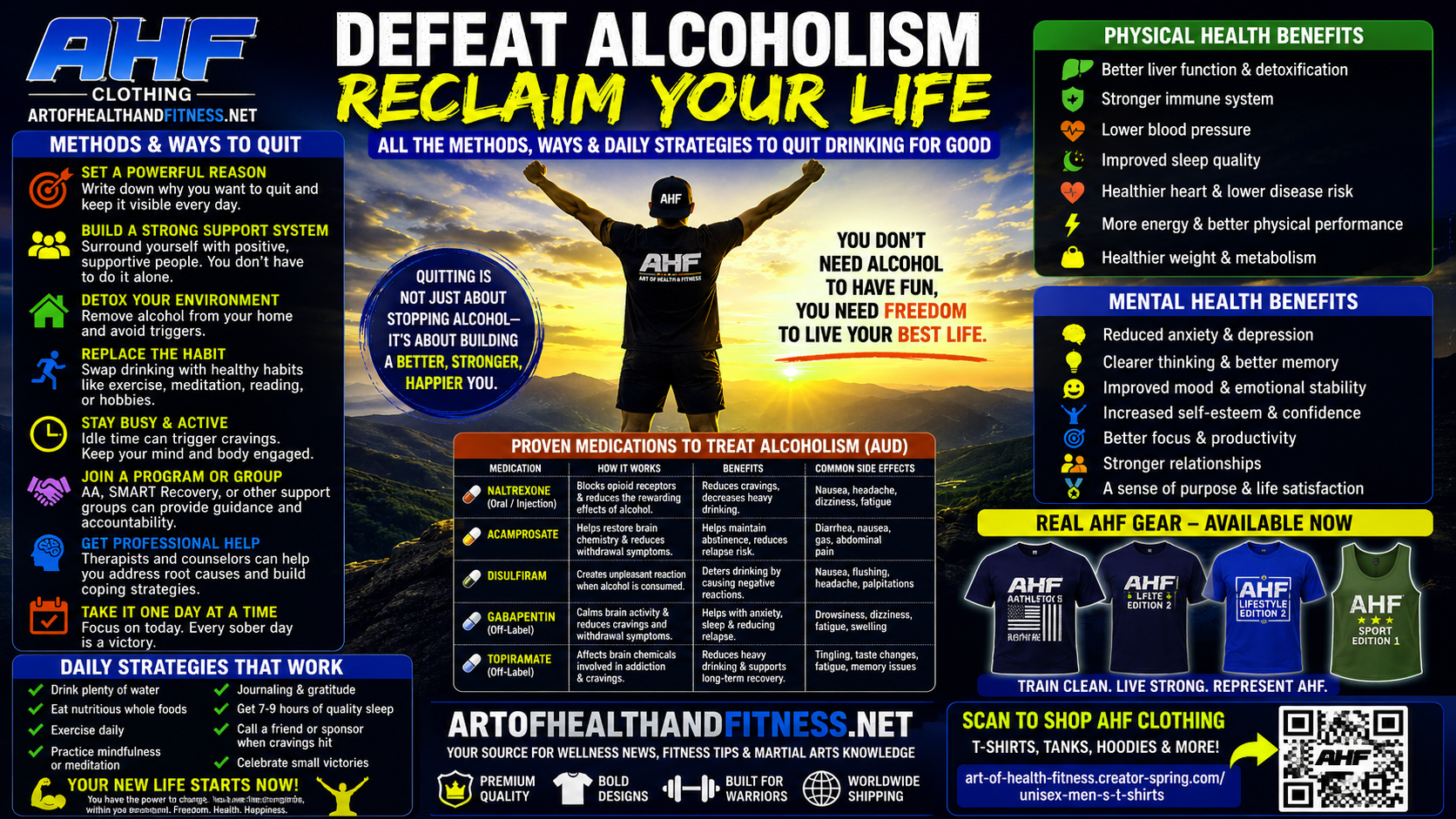
For people whose drinking hasn’t progressed into physical dependence, tapering down gradually, setting hard limits, and replacing drinking rituals with new routines can be effective starting points. For anyone who has been drinking heavily and consistently for weeks or months, though, stopping suddenly on your own is not recommended, since the body may go into withdrawal that can become medically serious. The safest path for moderate to heavy dependence is a supervised medical detox, where a doctor can monitor vital signs and manage symptoms as the body readjusts. Beyond detox, the most effective long-term approaches typically combine therapy, peer support, lifestyle changes like consistent sleep and exercise, and, when appropriate, medication to reduce cravings. What works varies person to person, which is why most successful recovery plans are built with a doctor or addiction specialist rather than attempted entirely alone.
Alcohol Alternatives and the Sober-Curious Movement
A growing number of people cutting back on alcohol are turning to non-alcoholic substitutes rather than quitting cold turkey, and the market has responded with everything from zero-proof spirits to adaptogenic mocktails built around ingredients like ashwagandha, reishi, and kava root, which are used in some cultures for their calming effects without the intoxication or next-day dopamine crash of alcohol.
CBD-infused drinks have also become popular in the sober-curious space for their relaxing properties without impairment. In states where cannabis is legal, some people also explore it as a lower-risk substitute for the ritual of an evening drink, though this is a personal and legal decision that varies by state and should never be treated as a clinically approved treatment for alcohol use disorder. None of these alternatives are a substitute for professional treatment in cases of true physical dependence, but for people in the earlier, habit-based stages of heavy drinking, they can be a useful tool for breaking the nightly ritual.
Medications Used in Alcohol Withdrawal and Recovery
Several FDA-approved medications exist specifically to support people through alcohol withdrawal and long-term recovery, and all of them are meant to be prescribed and monitored by a physician rather than self-administered. During medical detox, doctors commonly use benzodiazepines to manage the acute risk of withdrawal seizures and calm the nervous system as it readjusts. Once the acute withdrawal period has passed, medications like naltrexone work by blocking the pleasurable effects of alcohol in the brain, which reduces the reward of drinking and helps curb cravings.
Acamprosate is often used to help restore chemical balance in the brain after drinking stops, easing some of the post-acute symptoms like anxiety and insomnia that can persist for weeks.
Disulfiram takes a different approach entirely, creating an unpleasant physical reaction if alcohol is consumed, which acts as a deterrent for people who respond well to that kind of accountability. Some doctors also prescribe gabapentin or topiramate off-label to help manage cravings and withdrawal-related anxiety. None of these medications work in isolation, and the strongest outcomes come when they’re paired with therapy and support rather than used as a standalone fix.
What Top Rehab Centers Actually Do
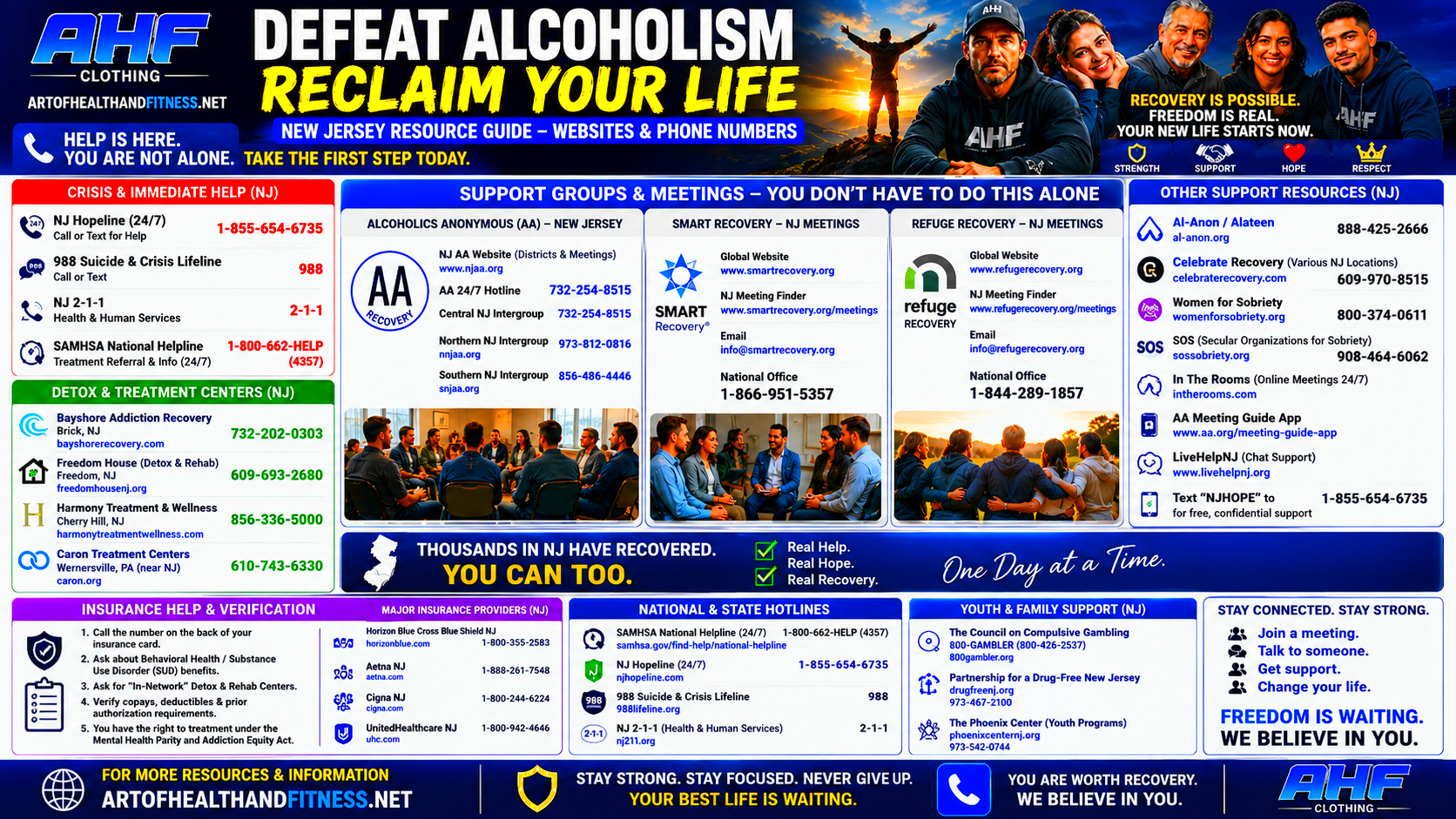
The most respected treatment centers in the country build recovery around layered levels of care rather than a single fixed program. Medical detox comes first for anyone physically dependent, followed by inpatient or residential treatment, which removes a person from their normal environment entirely and surrounds them with structure, therapy, and 24-hour support. From there, many people step down into a partial hospitalization program or intensive outpatient program, which allows them to return home or to sober living while still attending several hours of treatment a day. Individual therapy is typically built around evidence-based approaches like cognitive behavioral therapy, which helps identify and rework the thought patterns that drive drinking, and motivational interviewing, which strengthens a person’s own internal reasons for change. Group therapy and family therapy are almost always part of the picture as well, since alcohol use disorder rarely affects just one person. The best programs also build in aftercare planning from day one, including sober living arrangements, ongoing outpatient therapy, and connections to peer support groups, because the transition out of treatment is one of the highest-risk periods for relapse.
AA, SMART Recovery, and Other Support Options
Alcoholics Anonymous remains the most widely available peer support option, built around a twelve-step model, regular meetings, and a sponsor system that pairs newer members with someone further along in recovery for accountability and guidance. It works well for many people because of its structure, community, and free accessibility in nearly every city. It isn’t the right fit for everyone, though, and alternatives have grown significantly in recent years. SMART Recovery uses a more secular, cognitive-behavioral framework focused on self-empowerment rather than a higher power. Refuge Recovery incorporates Buddhist principles and mindfulness practice. Celebrate Recovery is a faith-based Christian option often run through churches. Many people in recovery combine one of these peer support programs with individual therapy and, when appropriate, medication, rather than relying on any single approach alone.
Using Insurance to Pay for Treatment
Cost is one of the biggest barriers keeping people from seeking help, but most insurance plans are required to cover at least some portion of addiction treatment. Under the Mental Health Parity and Addiction Equity Act, insurers that offer substance use treatment benefits have to cover them at a level comparable to how they cover general medical care, and the Affordable Care Act classifies substance use disorder treatment as an essential health benefit for plans sold on the marketplace. In practice, this means most plans will cover at least part of detox, inpatient treatment, and outpatient therapy, though the exact amount depends heavily on the specific plan and whether a facility is in-network. The most useful first step is calling the number on the back of an insurance card and asking directly what levels of care are covered, what the in-network facilities are, and what the out-of-pocket costs look like at each stage. Many treatment centers also have admissions staff who will directly verify insurance benefits before a person even commits to a program, which removes a lot of the guesswork. For anyone without insurance, some facilities offer sliding-scale fees, payment plans, or connections to state-funded treatment programs.
Alcohol use disorder is a medical condition, not a moral failing, and the path back from it looks different for every single person. Whether that path starts with a conversation with a doctor, a first AA meeting, a phone call to an insurance company, or simply cutting back one night at a time, the science is clear that the brain can recover its natural motivation, reward response, and baseline dopamine function with sustained sobriety and the right support.
This article is for informational purposes only and is not a substitute for medical advice. Anyone experiencing withdrawal symptoms or considering stopping heavy alcohol use should speak with a doctor before doing so.
To keep building strength and focus during recovery, check out our SHOP BRAIN & COGNITIVE SUPPLEMENTS picks for supporting mental clarity, find professional support near you with our FIND A PERSONAL TRAINER IN YOUR AREA tool to help rebuild a healthy routine, gear up with our AHF CLOTHING SITE, and check out the Real Combat Media Fight Store for more from the team.
Comments

No Comments Yet