

How to Increase Choline in the Brain to Help Prevent Dementia
By Rachel Simmons, Health & Wellness Writer
Choline doesn’t get nearly as much buzz as omega-3s or vitamin D, but it plays a bigger role in brain health than most people realize. Your brain uses it to build acetylcholine, a chemical messenger tied closely to memory and focus, and that’s exactly why choline keeps coming up in conversations about preventing dementia. The truth is a little more complicated than the marketing suggests. There’s genuinely promising science here, but there’s also a real gap between what’s been shown in mice and what’s actually been proven in people. Here’s what the research supports, from food to supplements to prescription medication.
What Choline Does for the Brain
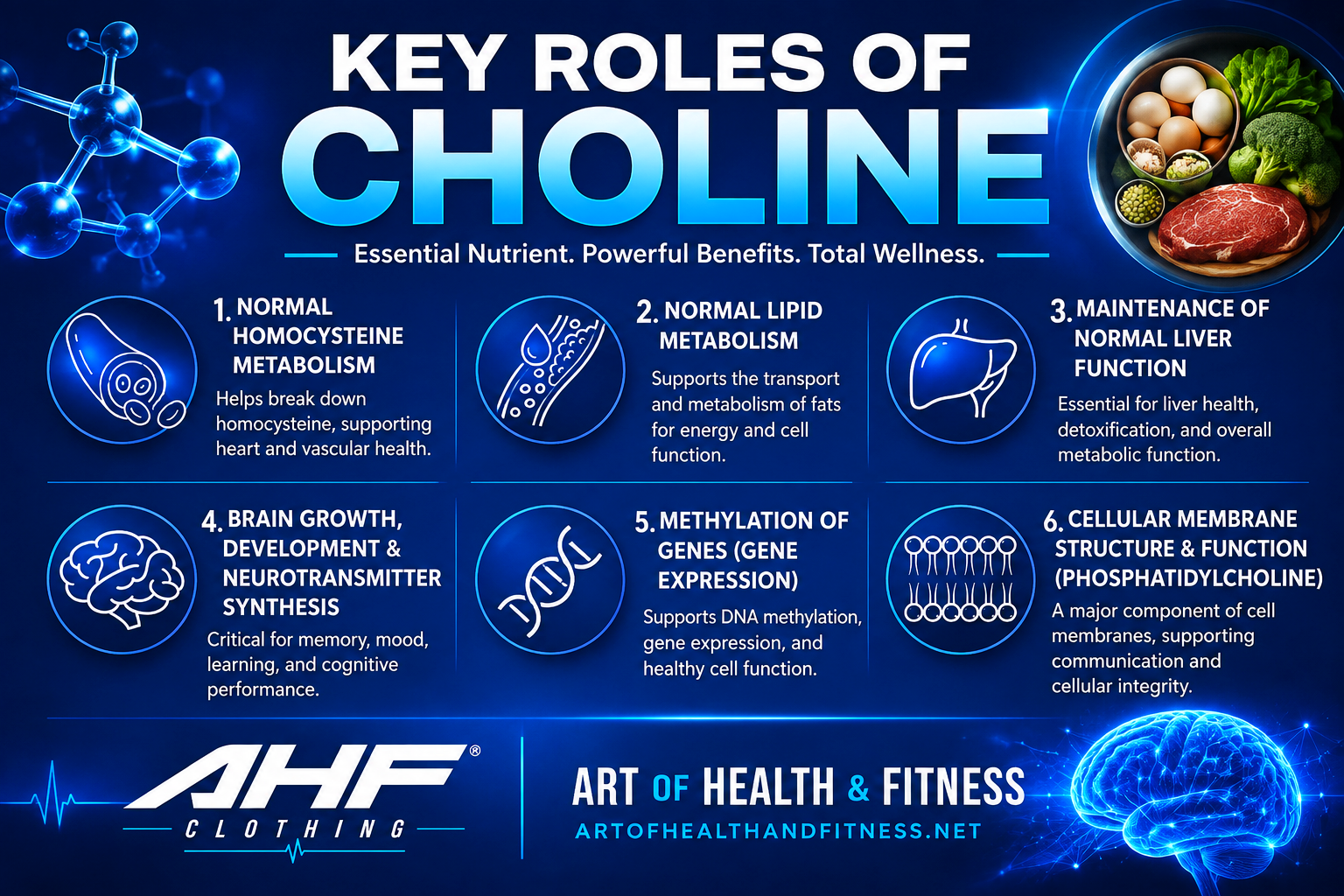
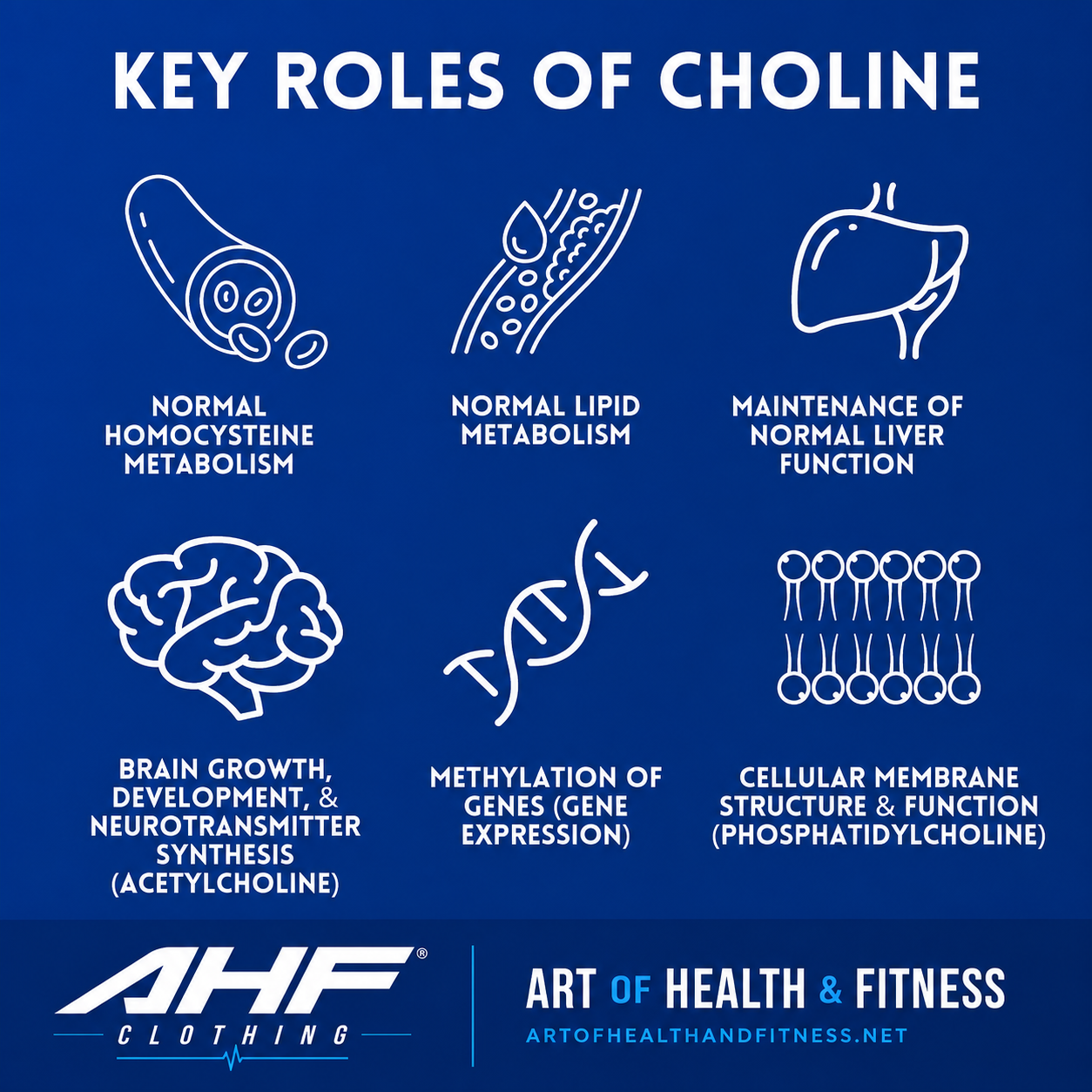
Choline is an essential nutrient. Your liver makes a small amount on its own, but not nearly enough, so most of it needs to come from what you eat. Once it’s absorbed, your body converts it into acetylcholine, the neurotransmitter neurons use to communicate in circuits tied to memory and attention. Choline also helps build phosphatidylcholine, a key structural piece of the membranes that surround brain cells.
This matters for dementia research because Alzheimer’s disease shows up early as a loss of the very neurons that make and use acetylcholine. Researchers call this the cholinergic hypothesis, and it’s the reason both choline supplements and a whole class of prescription drugs have been studied for their effects on memory.
Start With Food, Not Supplements
Adults need about 550 mg of choline a day for men and 425 mg for women (a bit more during pregnancy and breastfeeding), and most people fall well short of that. National nutrition surveys keep finding the same thing: the majority of adults in the U.S. don’t hit their target.
The good news is that food closes the gap easily for most healthy people. Liver and eggs, especially the yolk, are by far the richest sources, followed by beef, poultry, fish, soybeans, and other legumes. If you’re already eating a fairly varied diet, you may be closer to your target than you think.
Comparing Choline Supplement Forms
Not all choline supplements behave the same way once they’re in your body, and the form matters as much as the dose.
Citicoline, also sold as CDP choline, has the deepest body of clinical research for memory and attention in older adults, as well as studies on stroke recovery. It doesn’t appear to raise TMAO, a gut-bacteria byproduct that’s been linked to cardiovascular risk in other research.
Alpha GPC delivers choline efficiently and raises acetylcholine in the brain effectively, which is why it shows up in nootropic blends like Onnit’s Alpha Brain. That said, a large observational study found that adults 50 and older who used alpha GPC long-term (10 or more years) had a notably higher rate of stroke. That’s a signal worth taking seriously, especially if you’re considering daily long-term use.
Choline bitartrate is the cheapest option, and it does raise blood choline, but it crosses into the brain relatively poorly and tends to raise TMAO more than the other forms.
Phosphatidylcholine, often labeled as lecithin, is gentler and well absorbed, and it doesn’t raise TMAO either. It’s a reasonable choice if you just want general nutritional support rather than a targeted cognitive boost.
Does Boosting Choline Actually Prevent Dementia?
Here’s where it’s worth being careful, because marketing tends to run ahead of the science. In mouse models of Alzheimer’s, choline supplementation, especially when given consistently over a lifetime, has reduced amyloid plaque buildup and preserved memory. That’s genuinely encouraging animal research.
Human evidence is thinner. Observational studies link higher dietary choline intake to somewhat better cognitive performance in older adults, but that’s a correlation, not proof that choline caused the difference. People who eat more choline-rich food may simply differ in other health-related ways too. Even citicoline, the best studied supplemental form for cognition, doesn’t yet have confirmed evidence that it prevents dementia in humans, according to the Alzheimer’s Drug Discovery Foundation’s review of the research.
So the honest takeaway is this: choline is a legitimate, active area of dementia research, not an established preventive treatment. Don’t treat any supplement as insurance against developing dementia.
Where Prescription Medications Fit In
Prescription drugs used in dementia care work on a completely different principle than supplements. Cholinesterase inhibitors like donepezil (Aricept), rivastigmine (Exelon), and galantamine (Razadyne) don’t add more choline to your brain at all. Instead, they slow down the enzyme that breaks acetylcholine apart, so whatever acetylcholine is already there lasts longer at the synapse.
These medications are approved to treat symptoms of diagnosed mild to moderate Alzheimer’s disease, not to prevent dementia in people who don’t have it. They can ease symptoms like memory and daily function decline for a while, but they don’t stop the disease itself from progressing. Memantine works through yet another mechanism and is sometimes added for moderate to severe cases. All of these require an actual diagnosis, a prescription, and ongoing monitoring by a doctor. They’re not something a healthy person takes proactively to try to prevent dementia.
Safety Notes Before You Supplement
Choline has a tolerable upper limit of 3,500 mg a day from all sources combined. Go well above that and you risk low blood pressure, liver strain, a fishy body odor, and GI upset. High-dose forms that release free choline, like bitartrate and high-dose alpha GPC, may raise TMAO, which has its own ties to cardiovascular risk, so that’s worth a conversation with your doctor if you have heart disease risk factors. Anyone pregnant, managing a mood disorder, or taking other medications should check in with a physician before adding a choline supplement too.
The Bottom Line
Food is the most reliable place to start. Eggs, liver, fish, poultry, and legumes will get most people close to their target without any supplement at all. If you do want to try something for cognitive support specifically, citicoline currently has the best balance of evidence and safety. Alpha GPC, bitartrate, and high-dose regimens all come with trade-offs worth discussing with a doctor first. Prescription cholinesterase inhibitors treat diagnosed dementia symptoms; they aren’t a prevention strategy for a healthy brain. And choline is just one piece of a much bigger picture. Cardiovascular health, exercise, sleep, hearing care, and staying mentally and socially engaged all have stronger evidence behind them for lowering dementia risk overall.
This article is for general information and isn’t a substitute for personalized medical advice. Talk to a doctor before starting any new supplement or medication, especially if you have existing health conditions or a family history of dementia.
SHOP BRAIN & COGNITIVE SUPPLEMENTS
Sources: Harvard T.H. Chan School of Public Health, Linus Pauling Institute at Oregon State University, Alzheimer’s Drug Discovery Foundation, Cochrane Library, and NIH/NCBI research summaries.

Comments

No Comments Yet